
A New Trend in South Korea: Sleep Maxxing to Improve Sleep
In South Korea, 'sleep maxxing' is rising: routines, devices, and products to optimize sleep quality in response to burnout and increasing sleep disorders.
In South Korea, the pursuit of optimizing not just duration but the quality of sleep is growing among young people: known as sleep maxxing, the movement blends routines, devices, and products aimed at improving rest in response to rising fatigue and sleep disturbances in the country, according to ANSA.
What is sleep maxxing
The sleep maxxing is a young South Korean trend focused on optimizing sleep quality, not merely extending it. The term combines sleep with maxxing — online slang meaning to maximize or optimize something — and presents itself as a kind of antidote to the old worship of the "miracle morning," which promoted waking early as a recipe for productivity. Rather than prioritizing waking hours, the movement emphasizes sleep hygiene, the depth of rest, and mental recovery.
According to ANSA, young people and influencers adopt routines and products that promise to boost sleep efficiency, turning the night into a deliberate self-care practice with a focus on reducing the impact of stress and burnout on health.
Tools and practices used (sleep maxxing, sleep, South Korea)
At the core of sleep maxxing are devices and rituals that help monitor and improve rest:

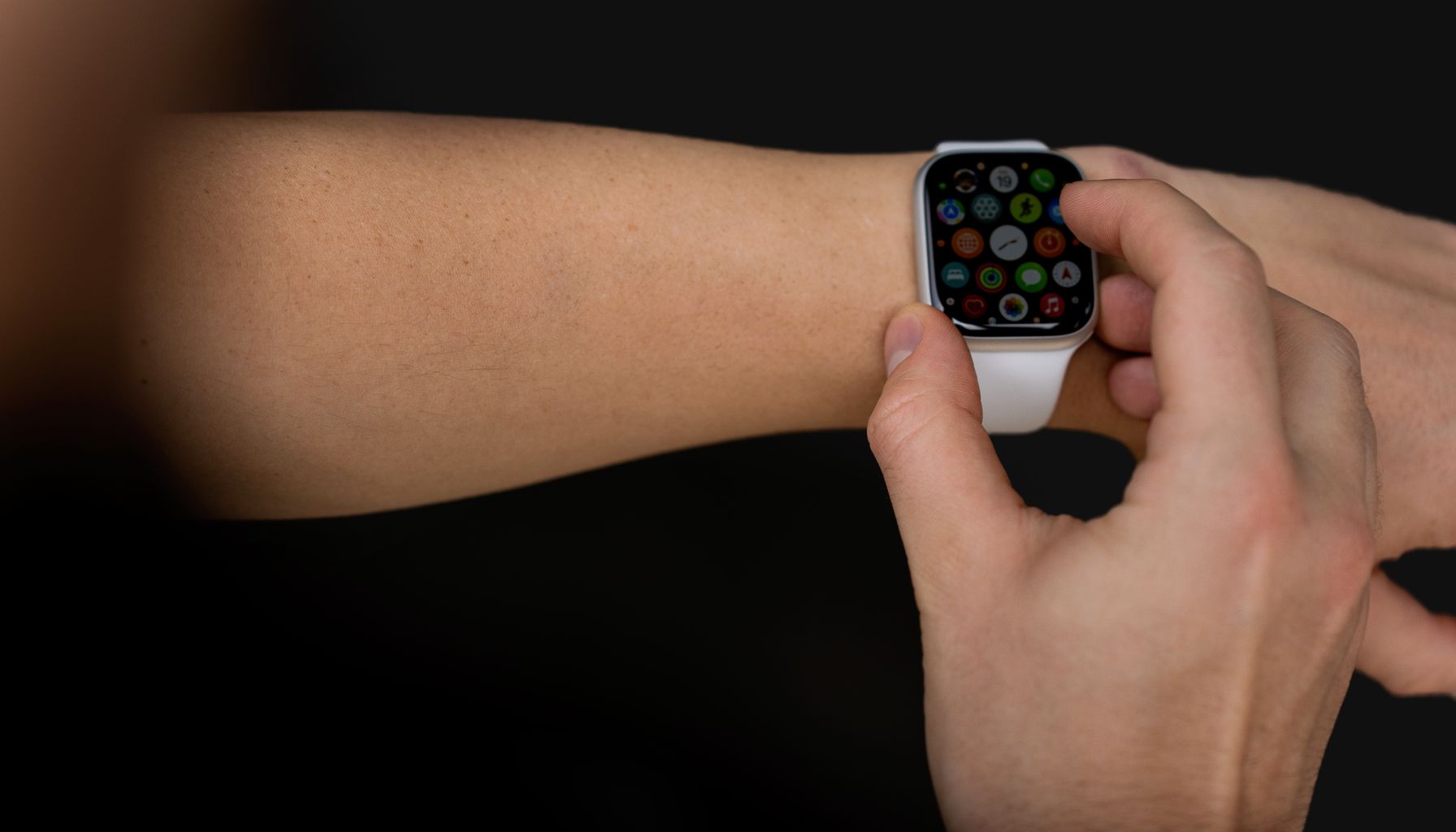
- Smartwatches and wearables to record sleep duration, deep sleep cycles, and heart rate data overnight.
- Sleep masks, earplugs, ergonomic pillows, and massagers to create a physical environment conducive to sleep.
- Supplements (such as melatonin and plant-based formulas) used by some young people — always with caution and seeking medical guidance in specific cases.
- Evening routines and slowing-down rituals: turning off screens ahead of time, warm baths, brief breathing and meditation practices to signal to the body that it is time to rest.
ANSA describes that the combination of digital monitoring with physical and behavioral interventions forms the backbone of the movement: measuring, adjusting, and ritualizing sleep to extract the maximum possible recovery.
Context and data driving the phenomenon (burnout, sleep disorders)
The emergence of sleep maxxing occurs in a context of growing fatigue and mental health issues among young South Koreans. According to ANSA’s report, the “Quality of Life of Youth 2025” indicates that 32.2% of people aged 19 to 34 reported burnout in 2024. Additionally, data from the Health Insurance Review and Assessment Service show an increase in patients treated for sleep disorders, from 1.04 million in 2020 to 1.3 million last year.
These figures illustrate a young population under pressure — long work hours, academic competitiveness, and a demanding job market — seeking practical answers to regain energy and reduce exhaustion symptoms. Sleep maxxing is thus both an individual response to chronic fatigue and a cultural phenomenon reflecting new wellness priorities.
Relevance for Brazilian readers and descendants (youth, quality of rest)
For Brazilian readers, especially those interested in international health and lifestyle trends, sleep maxxing illustrates how global problems like burnout and sleep disturbances generate innovative responses in the wellness field. The movement may offer clues about:
- Products and practices observable in the global sleep market (wearables, masks, supplements).
- Behavioral strategies for sleep hygiene applicable in different cultural contexts.
- How young people in high-pressure contexts reinterpret self-care in a technological and ritualized way.
Those following topics on quality of life or seeking alternatives to improve rest can observe these tools and, with proper guidance, adapt what makes sense to their context. For readers who follow Italy-related news and life abroad, this trend also shows how mental health agendas connect young people in different countries — see more at /vida-na-italia and /noticias.
Limits and cautions
Experts consulted by ANSA warn that monitoring sleep with devices does not replace medical evaluation when persistent symptoms of insomnia, sleep apnea, or chronic fatigue are present. Supplements and interventions should be used with caution and, when necessary, under professional supervision. Additionally, small improvements in products or routines do not solve structural problems that drive burnout, such as excessive working hours or a lack of public health policies for mental health.
Conclusion
Sleep maxxing in South Korea is a cultural and individual response to rising fatigue among young people, combining technology, products, and rituals to prioritize the quality of sleep. The trend resonates internationally as an example of how mental health and productivity concerns shape new wellness practices.
Source: ANSA