Gambini Produces Seicento in Joinville and Reduces Line-Change Time to 20 Minutes
Seicento: Gambini begins manufacturing in Brazil a tissue-converting line with TouchMax, cutting product changes from 10–16 hours to about 20 minutes; ROI estimated at 1–1.5 years.
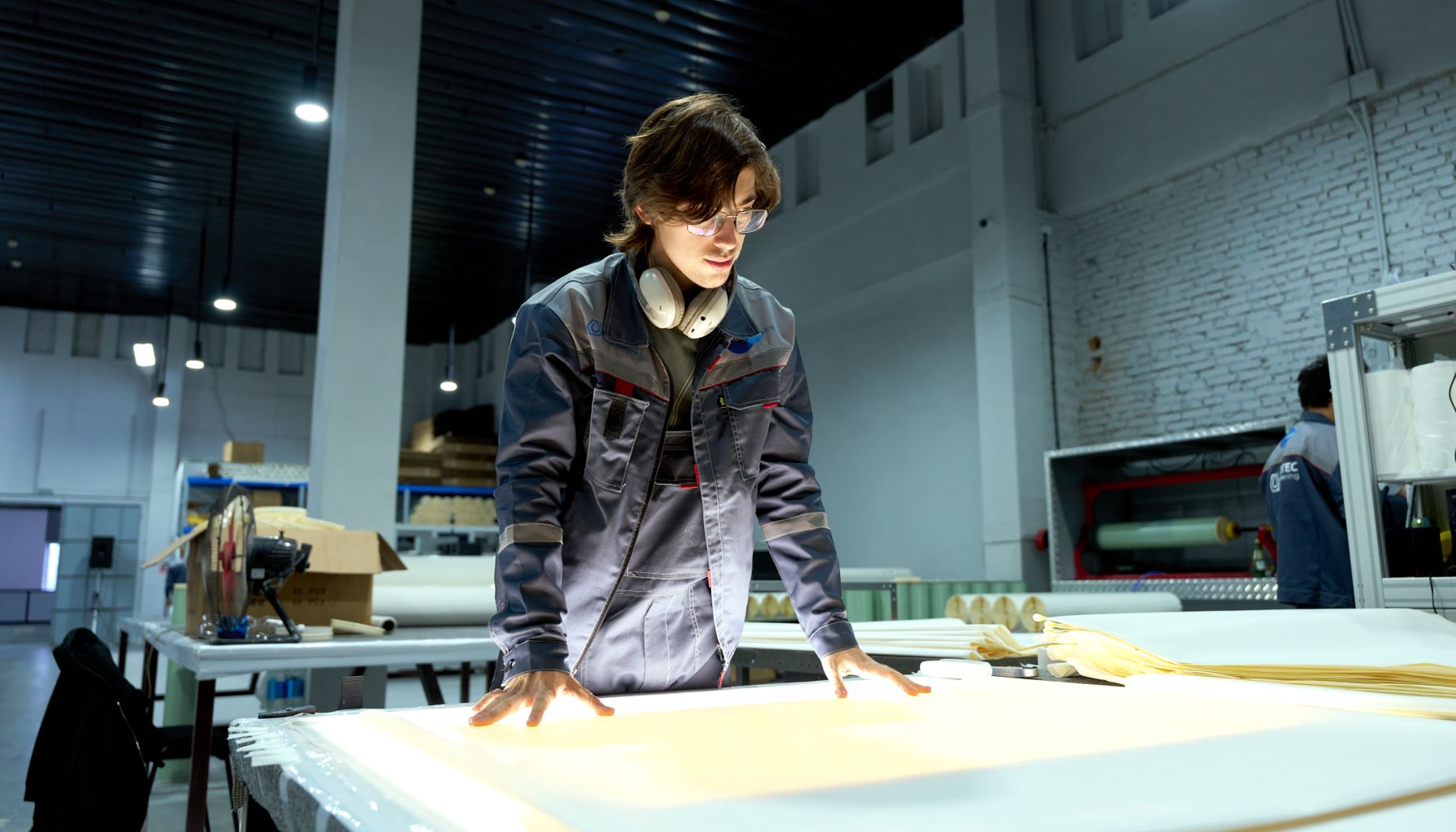
Gambini began manufacturing in Brazil the Seicento, its first full tissue conversion line produced entirely in Joinville, and showcased the machine with the TouchMax system during Open House 26, held from November 23 to 27, 2026. According to Comunità Italiana, the news promises to drastically reduce changeover time between products and increase industrial flexibility.
What is the Seicento and how the TouchMax works
The Seicento is described by Gambini as a complete tissue-converting line — the first fully produced at the company’s Brazilian plant in Joinville. The innovation includes the TouchMax system, a set of embossing rollers composed of five steel rolls that allows automatic changes to production configuration.
- The embossing is the process that creates textures on the paper, defining texture, bulk, and appearance of products (for example, toilet paper and paper towels).
- The TouchMax changes the configuration of the five rollers without manual intervention, converting the line from one product to another by automated command.
According to a report by Comunità Italiana, this integration between Seicento and TouchMax reduces reliance on manual adjustments and minimizes batch-to-batch variability, critical points in industrial tissue production.
Operational gain and technical capability of Seicento
Gambini states that the technology represented by Seicento with TouchMax reduces changeover time between different products (for example, from toilet paper to paper towels) from 10–16 hours to approximately 20 minutes. This operational leap directly impacts line availability and cost per ton produced.

Key technical features disclosed:
- Working speed of up to 600 meters per minute.
- Capacity to form up to 45 logs per minute.
- Automated embossing changes via TouchMax, eliminating long manual setups.
Operational benefits listed include shorter machine downtime, higher production availability, and better utilization of installed capacity, translating into greater flexibility to switch SKUs according to market demand.
Brazilian operation and context of the Joinville announcement
The Gambini plant in Joinville covers about 2,500 m² at the Perini Business Park. The Seicento presentation occurred during Open House 26, between November 23 and 27, 2026. Based in Lucca (Tuscany) and founded in 1870, Gambini operates a B2B model serving tissue manufacturers and professional markets.
The company had already been expanding its industrial footprint in Brazil: reports note that Gambini locally produced an AirMill that was installed at Damapel at the end of 2025, and that the company completed and maintained industrial projects in production throughout 2026. Local manufacturing of Seicento solidifies a continuity of investments and technology transfer in the country, bringing Lucca’s engineering closer to Latin American customers.
Relevance for Brazilian industries and the Italian-Brazilian community
For Brazilian tissue manufacturers, the Seicento represents an opportunity to reduce operating costs and increase adaptability to demand fluctuations. Gambini estimates an ROI of between one and a half years for plants that perform at least two production changes per month — a calculation cited by Comunità Italiana.
Practical impacts:
- Greater flexibility to quickly switch between formats (e.g., sanitary, towel, etc.).
- Reduction of costs linked to long setup times and stoppages — a relevant factor in markets with high demand variability and product mix.
- Local production that facilitates technical support, spare parts, and customization for the Latin American market.
Open House 26 brought together businesspeople, customers, public representatives, and featured the presence of the Istituto Italiano di Joinville, which, according to the report, reinforced ties between the Italian business community and the city of Joinville. The initiative is seen as part of a broader movement to bring Italian industry closer to the Brazilian tissue paper supply chain.
Perspectives and final considerations
Local production of Seicento with TouchMax in Joinville points to Gambini’s strategy to consolidate industrial bases outside Italy, reducing distances between engineering and customers and accelerating responses to regional needs. For tissue manufacturers, the promise of changing products in about 20 minutes translates to a competitive edge when compared with traditional changes that took 10–16 hours, as reported by Comunità Italiana.
The realization of these results will depend on operational factors at each plant — maintenance, operator training, and integration with existing lines — but the Joinville presentation marks a clear step for Gambini in expanding its industrial footprint in Brazil and Latin America.
Source: Comunità Italiana