Veneto Cuisine: Iconic Dishes from Italy's Emigration Hub
Discover Veneto's emblematic dishes, the region with the largest Italian emigration, including history, ingredients, and traditions shaping the local kitchen.
Discover Veneto's emblematic dishes, the region with the largest Italian emigration, including history, ingredients, and traditions that shaped the local kitchen.
Meta description: Discover Veneto's emblematic dishes, the region with the largest Italian emigration, including history, ingredients, and traditions shaping the local kitchen.
Regional panorama: geography, emigration history, and its impact on cuisine
Veneto occupies the northeast of Italy, with a coastline on the Adriatic Sea, fertile plains, and alpine areas at the borders with Trentino‑Alto Adige. This geographic diversity fueled a regional cuisine marked by polenta, rice, fish, and game meats. According to historical studies and demographic data, Veneto was one of the Italian regions with the highest emigration flow from the late 19th century to the mid-20th century, which spread local recipes and traditions to the Americas and other parts of Europe (historical and demographic sources; consult regional publications and Istat).
The mobility of Veneto families meant that many dishes adapted to ingredients available abroad, influencing both home kitchens in emigrant communities and the culinary repertoire within Italy itself. For those following Italian topics in Brazil, see also our pieces in /noticias and guides in /vida-na-italia.

Key local ingredients: polenta, rice, cod, seafood, and wine
- Polenta: a staple of many rural meals, prepared with cornmeal or, traditionally, with grani antichi. Polenta is eaten creamy, molded, or grilled.
- Rice: grown in the Veneto’s lower-lying areas, used in risottos with maritime or earthy flavors.
- Cod (baccalà): a flagship ingredient, especially around Venice, where recipes with dried salted cod are part of the tradition. Local organizations and regional food guides detail this historical presence.
- Seafood: the Adriatic Sea provides sardines, shrimp, and other catches used in preserved and fresh dishes.
- Wine: Veneto produces famous wines such as Prosecco, Amarone, and Valpolicella, frequently mentioned in wine tourism itineraries by Regione del Veneto and specialist guides.
Traditional dishes that define Veneto
Venetian cuisine blends rural and urban influences, with particular attention to preserving and reusing techniques:
- Risotti: versions with seafood or with radicchio and local cheeses.
- Polenta and meats: hearty winter dishes.
- Sarde in saor: sardines marinated in onion, vinegar, and raisins — an example of conservation technique used by fishermen. Sources like Slow Food and regional guides describe these recipes and their local variations. For a broader panorama of Italian cuisine, see /culinaria.
Polenta and meats: rustic recipes reflecting countryside cooking
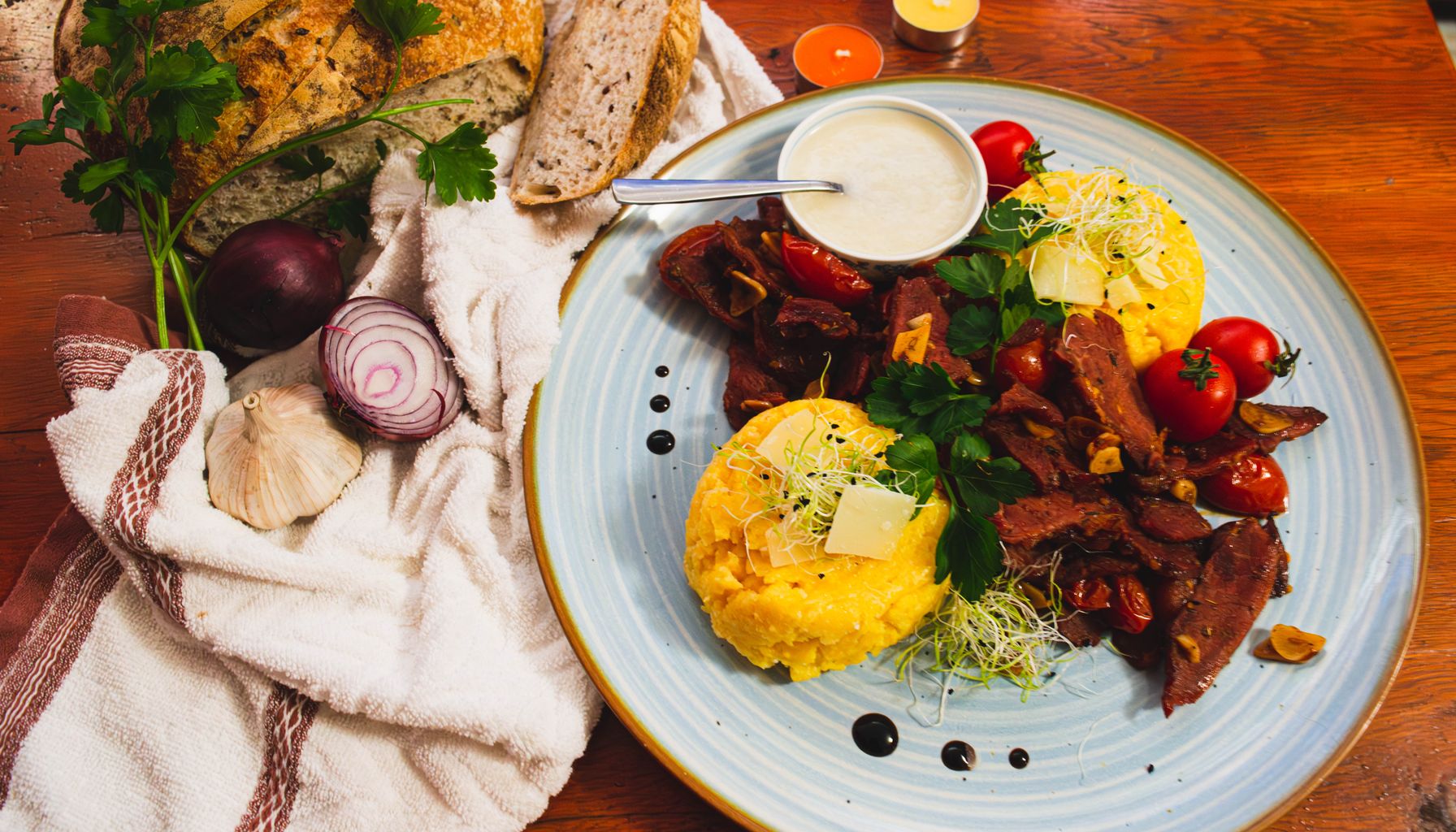
The combination of polenta with stews or grilled meats epitomizes subsistence cooking turned into regional identity. Dishes like polenta con osei (polenta with birds, now more symbolic) and polenta con salsiccia highlight the use of cured and fresh meats.
Rice and Polenta: regional variations popular among emigrant communities
In emigrant communities, recipes with rice and polenta adapted due to grain and condiment availability. Risotto alla pescatora (seafood risotto) and risotto al radicchio di Treviso show how a local ingredient gained versions outside the region.
Adriatic fish dishes: sarde in saor and fish risottos
Sarde in saor are frequently cited in culinary guides and studies on maritime preservation techniques. Fish risottos reflect proximity to the sea and the use of light broths that highlight the flavor of fresh fish.
Iconic recipes: bigoli with sardines, fegato alla veneziana, toppa
- Bigoli con le sarde: long, thick pasta served with sardines; one of the symbols of Venetian cuisine.
- Fegato alla veneziana: liver sliced thin, sautéed with onion — a classic urban dish of Venice.
- Toppa (or zuppa povera): soups and stews of reuse that vary by household and city.
Desserts and pastry: tiramisù born in Veneto? (regional discussion) and typical desserts
The origin of tiramisù is a regional debate. Several Veneto locations (especially Treviso) claim its invention; researchers and gastronomic reports discuss documentary and oral evidence. News sources and culinary history books present these versions without a definitive consensus. Additionally, there are local sweets such as la frittella veneziana, i baicoli, and desserts tied to religious and carnival celebrations.
Influence of emigrant families on Italian cities and abroad
Venetian families who emigrated carried recipes and techniques worldwide — adapting ingredients, forming food trade networks, and preserving culinary feasts and rituals. This is visible in Brazilian and Argentine communities, a topic related to /cultura and /vida-na-italia.
How to incorporate Veneto’s cuisine into daily life: preparation tips and ingredients
- Choose coarser-ground polenta for traditional textures; cook slowly and stir to avoid lumps.
- Use clear seafood stock for maritime risottos and add the rice gradually.
- For cod (baccalà), soak in advance and change the water several times; Veneto recipes favor thicker cuts and gentle cooking.
- Take advantage that many ingredients have local substitutes in Brazil: fresh or preserved sardines replace Mediterranean fish; different local wines can pair with dishes.
Leftovers and techniques: preservation, polenta use, and risotto preparation
Traditional techniques include marinades (saór), salt and oil preservation, and polenta grilling. The secret of Veneto risottos is balancing stock, stirring, and cooking time to reach the all’onda stage.
Where to try: Veneto’s typical wines and pairings
- Prosecco: great with antipasti and light fish dishes.
- Amarone and Valpolicella: accompany meat dishes and polenta stews. Wine routes and regional tourism associations describe pairings and wineries that welcome visitors; see official materials from Regione del Veneto for itineraries and recommendations.
The emigration legacy in food culture: festivals, rituals, and markets
Emigration from Veneto helped spread festivals like sagra (local food fairs) and street markets that keep community recipes alive. In large cities outside Italy, Italian fairs often bring adapted versions of Veneto dishes, linking gastronomy and identity.
Accessible recipes for Brazilian readers interested
We suggest simple recipes to start:
- Creamy polenta with a light meat ragù.
- Sarde in saor using well-desalted canned sardines.
- Shrimp risotto with dry white wine substituting a dry Prosecco. For general techniques and recipes of Italian cooking, also see /culinaria.
Links to Veneto's culinary tourism
Veneto offers experiences that combine gastronomy, history, and wine — from fish markets in Venice to cantinas in Valpolicella. Tourism guides and regional agencies promote detailed gastronomic routes for those planning to visit.
Conclusion Veneto’s cuisine reflects geography, economic history, and migration patterns that made the region a rich source of culinary traditions. Dishes like polenta, risottos, sarde in saor, and urban specialties from Venice show how rural and maritime techniques fuse — and how the Veneto diaspora helped spread these flavors worldwide. For related pieces on life and citizenship in Italy, see /vida-na-italia and /cidadania.