Xi Welcomes Trump at Shenzhen Airport and Embraces Him
Xi Jinping personally welcomed Donald Trump at Shenzhen airport and hugged him, a rare gesture in Chinese diplomacy that signals Beijing's emphasis on China–U.S. relations.
The Chinese president Xi Jinping personally welcomed former American president Donald Trump at Shenzhen airport and hugged him upon arrival, a rare move in Beijing's diplomatic protocol that was captured by international agencies and widely reported by the press.
What happened
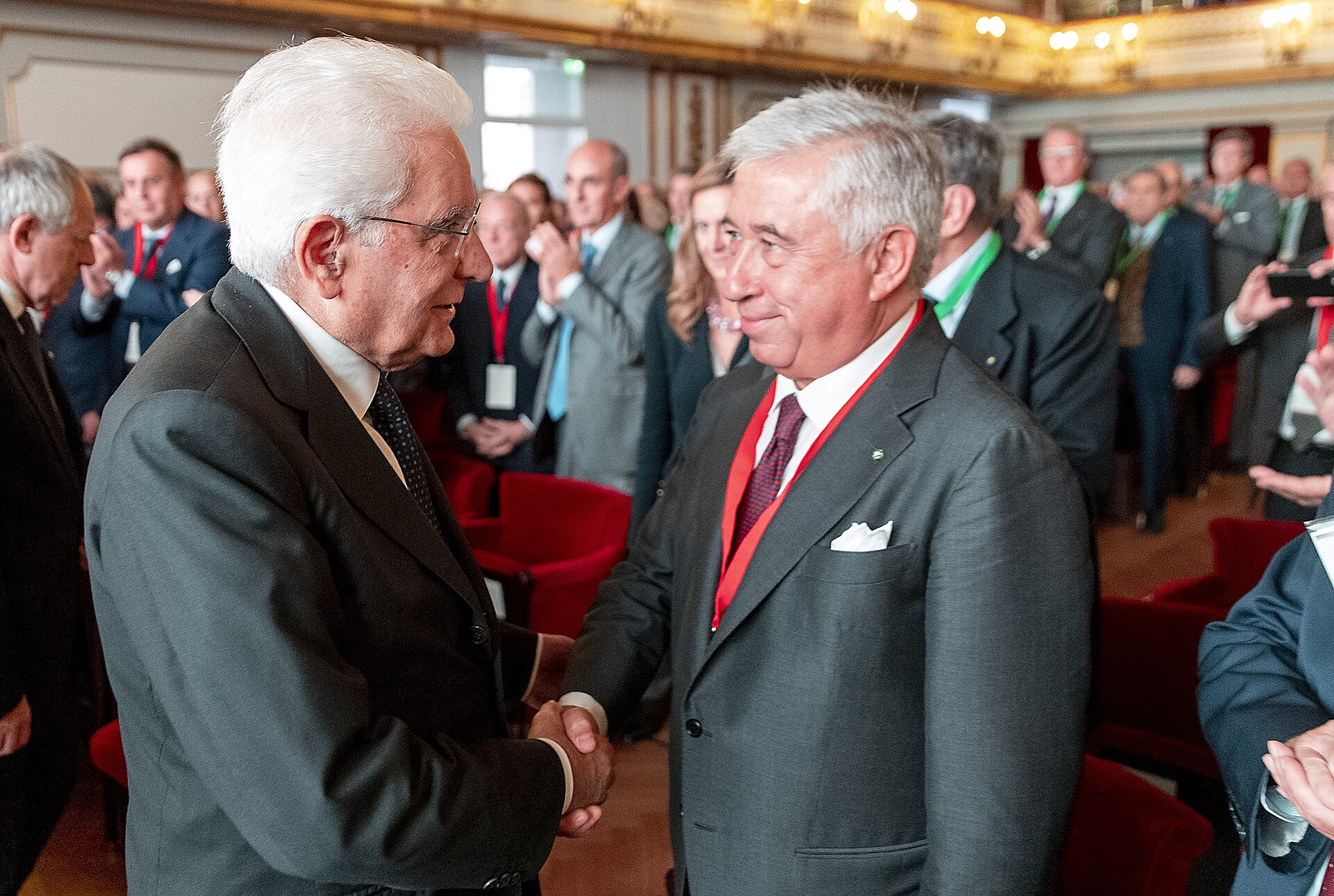
Xi Jinping went to Shenzhen airport to receive Donald Trump, who arrived in the city to participate in a trilateral meeting also attended by Russian president Vladimir Putin. At the moment of reception, Xi hugged Trump in front of the cameras, a gesture that drew attention for the physical closeness between the two leaders. International agencies recorded the scene and released images of the embrace.
The trilateral meeting in Shenzhen has involved heads of state and high officials. Putin arrived in the city a few hours before Trump and was received by Cai Qi, Xi's chief of staff, according to reports from international press. Trump’s arrival was also marked by a red carpet and formal protocols, in addition to Xi's personal gesture on the airport tarmac.
For Brazilian readers interested in international politics, the visit and the high-level reception in Shenzhen could have repercussions on global economic and geopolitical issues—topics that typically affect markets and relevant supply chains also for Brazil. Those following our coverage of international affairs and life abroad can consult sections such as Notícias da Itália and Vida na Itália for articles related to global impacts.

Diplomatic meaning and context
Media outlets such as the BBC, CNN, and The Guardian highlighted the unusual nature of the hug within Chinese diplomatic protocol. According to CNN, during Xi's presidency he had not previously gone to the airport to receive a U.S. president, making the act exceptional and symbolically significant for bilateral relations. Xi's presence on the tarmac, combined with the red carpet and formal reception, was interpreted by the press as indicative of the importance Beijing assigns to China–U.S. relations at this moment.
The gesture was also read as a form of reciprocity regarding the reception Trump gave Xi in the United States in September, when the Chinese leader was personally welcomed by the American side. Analysts interviewed by the press observed that gestures of physical proximity between heads of state function as clear diplomatic signals, especially when they break typical patterns of protocol.
Xi's public posture and the visibility of the hug fuel interpretations about Beijing's strategic priorities: reaffirmation of direct channels with Washington; attempts to contain trade and technological tensions; and a geostrategic stance regarding partnerships, such as the trilateral alignment with Moscow at the Shenzhen meeting. For Brazilians following economic and commercial impacts, changes in China–U.S. relations can reflect in supply chains, trade, and investment flows.
Media reaction and public reading
International coverage emphasized the novelty of the gesture and the trilateral context. European and American press underscored that the image of Xi embracing Trump carries strong symbolic weight and was widely shared on social networks and on television. Putin's reception by Cai Qi was also highlighted as part of the diplomatic logistics preceding the three-way meeting.
Domestically in China, the hug's visibility may serve to internalize a narrative of Xi as a diplomatic lead, while Western audiences may view the gesture as evidence of more direct channels with Washington. Readers interested in institutional and legal topics related to citizenship and mobility can find context about rules and procedures in our Cidadania Italiana, though the Shenzhen episode specifically concerns international diplomacy.
Conclusion
The Xi–Trump hug in Shenzhen is an unusual gesture in Chinese protocol and was interpreted by international press as a sign of the importance Beijing places on relations with Washington within the context of a trilateral meeting that also includes Vladimir Putin. The image of the Chinese leader on the airport tarmac reinforces the symbolic dimension of the visit and points to potential political and economic effects warranting close monitoring.
Source: ANSA