
Video captures mourning of humpback whale guarding stillborn calf
Video documents a humpback whale watching over its stillborn calf off the Gold Coast. Griffith University and Sea World Research & Rescue Foundation-led study published in Discover Animals.
TITLE: Video captures mourning of humpback whale guarding stillborn calf
CATEGORY: environment
CONTENT
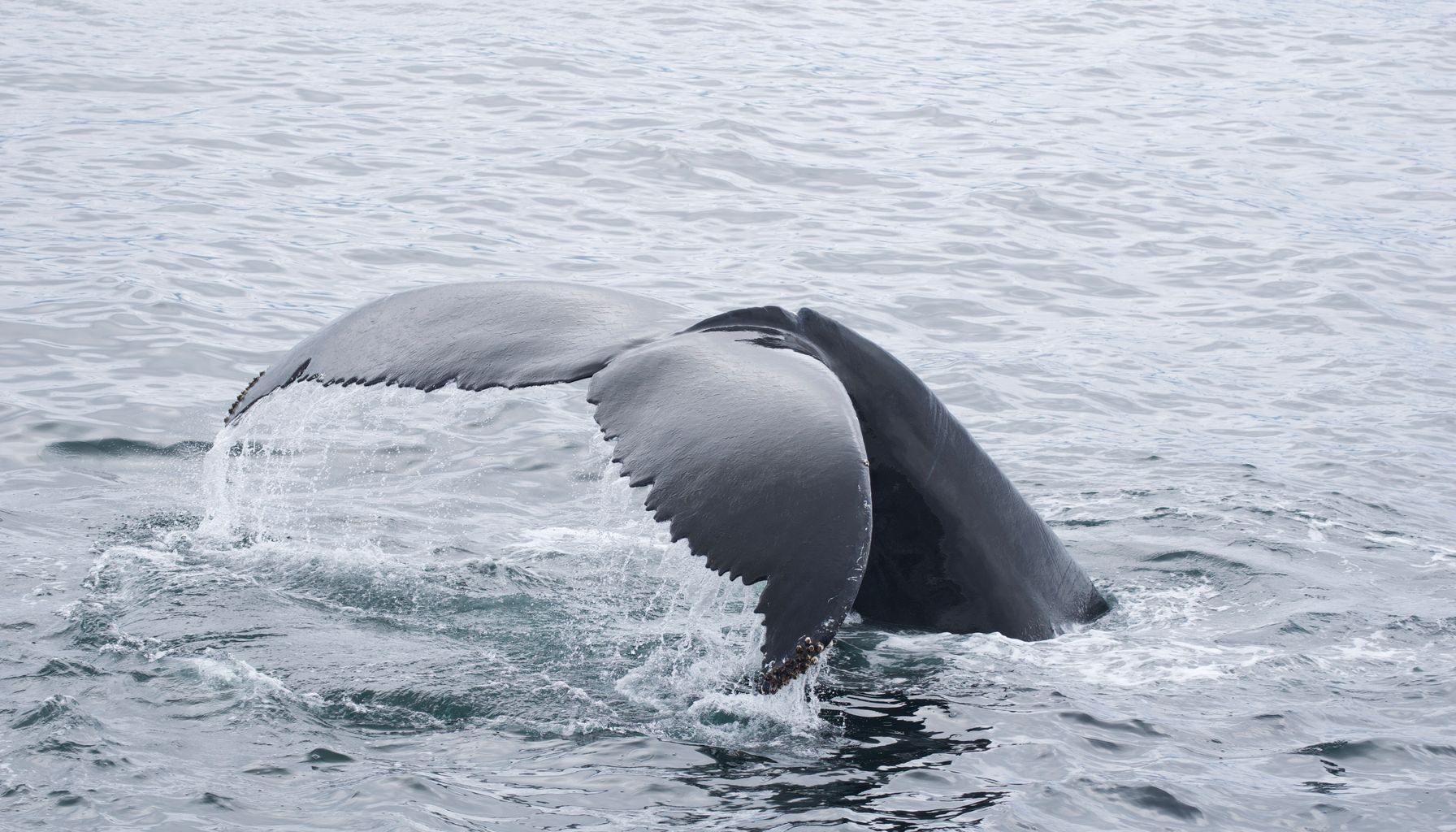
A video recorded a humpback whale (Megaptera novaeangliae, also known as a humpback) staying beside its stillborn calf in a rare sighting off the Gold Coast, Australia, according to researchers involved in the study published in Discover Animals and reported by ANSA.
What was recorded: video shows humpback whale guarding stillborn calf
Researchers filmed a female humpback whale remaining near the dead calf at the surface for an extended period, a behavior interpreted as a form of vigilance or mourning. The sighting occurred in coastal waters of the Gold Coast, a region known for humpback migration routes. According to ANSA, the footage documents a rare episode among mysticetes, the group of filter-feeding whales also called balena in some European languages.
Who documented it and where it was published: Griffith University and Sea World Research & Rescue Foundation
The record was made by researchers from Griffith University and the Sea World Research & Rescue Foundation (institutional name as reported), institutions that joined a whale and climate research program, according to ANSA. The study and images were published in the scientific journal Discover Animals, where the authors describe the circumstances of the sighting and analyze the observed behavior. The publication brings together documentation and expert commentary on the rarity of the episode among large whales.

Observed behavior: prolonged attention and comparison with odontocetes
In the video, the female remained beneath the surface, in immediate proximity to the dead calf, displaying prolonged attention and little outward movement. According to Olaf Meynecke, from the Griffith University whale and climate research program, post-mortem behaviors had been documented more frequently among odontocetes (such as dolphins and orcas), but are rare among the mysticetes — the group to which humpback whales belong. The observation reinforces that complex behavioral responses to death can occur in large filter-feeding whales as well.
Scientific significance and implications for marine conservation
The record is relevant to understanding social and possibly emotional behavior in large cetaceans. Documentations like this:
- expand the data base on post-mortem responses across different cetacean families;
- assist researchers in comparing social species (odontocetes) and migratory large-bodied species (mysticetes);
- can inform monitoring and response protocols in breeding areas and migratory routes.
Research mapping behavioral patterns in coastal populations contributes to conservation strategies, especially in regions with heavy maritime traffic and human impact. For Brazilian readers and descendants of Italians interested in marine life and conservation, these cases underscore the importance of international observations that can underpin comparative studies and local actions in Brazil’s coastal areas. The topic also aligns with environmental reporting in sections such as Notícias da Itália and with pieces on life and nature that resonate in Vida na Itália.
Limitations and scientific context
Authors and experts caution that isolated observations do not permit definitive conclusions about emotional states in cetaceans. Interpretations rely on observed behavior and comparisons with other scientific reports; therefore, care is needed when assigning human terms like “mourning.” The publication in Discover Animals and the comments from researchers like Olaf Meynecke contextualize the episode within a broader scientific framework, emphasizing the need for more records to understand patterns and causes.
Conclusion
The video of the humpback whale guarding the stillborn calf adds a rare piece to knowledge about post-mortem behavior in large whales and reinforces the importance of collaborative monitoring between universities and foundations for marine conservation.
Source: ANSA