Teatro Valle in Rome Reopens After 16 Years with Pirandello
Teatro Valle reopens on 16/10/2026 following a restoration begun in 2023; €11M invested, €10M from Rome and €1.2M from the Ministry. Premiere features a Pirandello text.
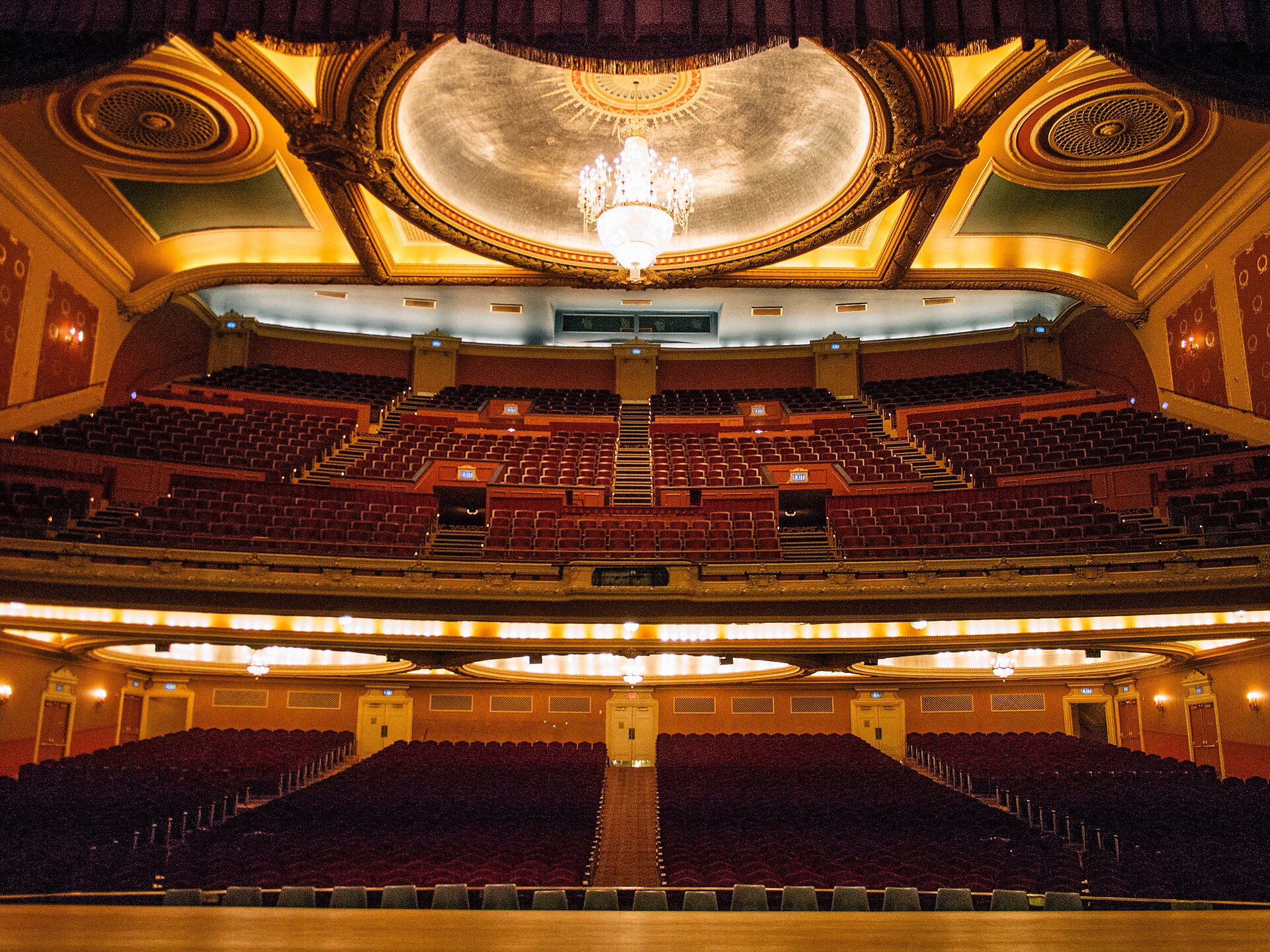
The Teatro Valle, the historic 18th-century theater space in Rome, was re-inaugurated on October 16, 2026 after a restoration that began in 2023; the reopening ceremony was attended by Mayor Roberto Gualtieri, according to ANSA.
Reopening and inauguration of Teatro Valle
The ribbon-cutting took place on 16/10/2026 at the Teatro Valle building itself. According to ANSA, Mayor Roberto Gualtieri officially attended and called it a day of celebration for the city and for Roman culture. The reopening marks the end of 16 years during which the theater was closed to the public in its original and institutional form.
Works, restoration, and costs of the 2026 reopening
The building underwent a broad conservative restoration, including structural work and modernization of technical and stage systems, with work starting in March 2023. As reported by ANSA, the total investment exceeds €11 million: the City of Rome (Roma Capitale) allocated about €10 million and the Ministry of Culture contributed €1.2 million. The works combined the preservation of the architectural heritage with updates to meet contemporary safety and functionality requirements.
Opening program: Pirandello on stage
The reopening season begins with a production inspired by the world of Luigi Pirandello: the piece opening the Valle stages is a recreation of the 1921 classic, presented under the authorship/version of writer Francesco Piccolo, according to ANSA. The choice confirms the theater’s new management intention to position it as a space for contemporary dramaturgy, innovation, and experimentation, balancing historic repertoire with creative interventions by current authors and directors.

Historical context and future prospects
The reopening anticipates the theater’s third centennial, to be celebrated in 2027, and aims to return to the city one of its emblematic stages, preserving the building’s history while adapting it to the needs of contemporary theater. The restoration aimed to respect historical elements while implementing technologies and infrastructures needed for modern productions, cultural diffusion, and accessibility.
Relevance for Brazilians and descendants
For Brazilian readers and descendants of Italians, the reopening of Teatro Valle is of interest for several reasons:
- Valle is part of Rome’s theater heritage and an important interlocutor in Italian dramatic life, facilitating cultural and artistic exchange between Brazil and Italy;
- the resumption of seasons can support the circulation of performances, partnerships, and joint projects, as well as opportunities for Brazilian artists to seek engagements and exchanges in Italy;
- Valle events and seasons will be followed by those who track culture and life in Italy, topics covered by portals such as the Noticias da Itália and relevant for maintaining cultural ties with the country.
Readers interested in practical aspects about residence, mobility, and culture in Italy can find contextual information in sections like Vida na Itália and Citizenship inquiries under Cidadania.
What changes with the reopening
With Teatro Valle back in Rome’s cultural program, the city regains a space that tends to stimulate contemporary theater production, experimentation, and curatorial projects. The combination of heritage preservation with technical modernization seeks to make Valle capable of hosting both classical productions and experimental proposals, broadening the range of shows available to local and international audiences.
The reopening is also a symbolic gesture of urban patrimony recovery after years of closure, impacting the Roman cultural circuit and offering the possibility of strengthening ties with foreign institutions and audiences, including Brazil.
Source: ANSA