Switch to Winter Time: €90M Saved and CO2 Reduced
On the night of Oct 24–25, clocks go back 1 hour: Terna says ending daylight saving saved €90M and cut CO2 emissions by about 140,000 t.
Meta description: On the night of Oct 24–25, clocks go back 1 hour: Terna says ending daylight saving saved €90M and cut CO2 emissions by about 140,000 t.
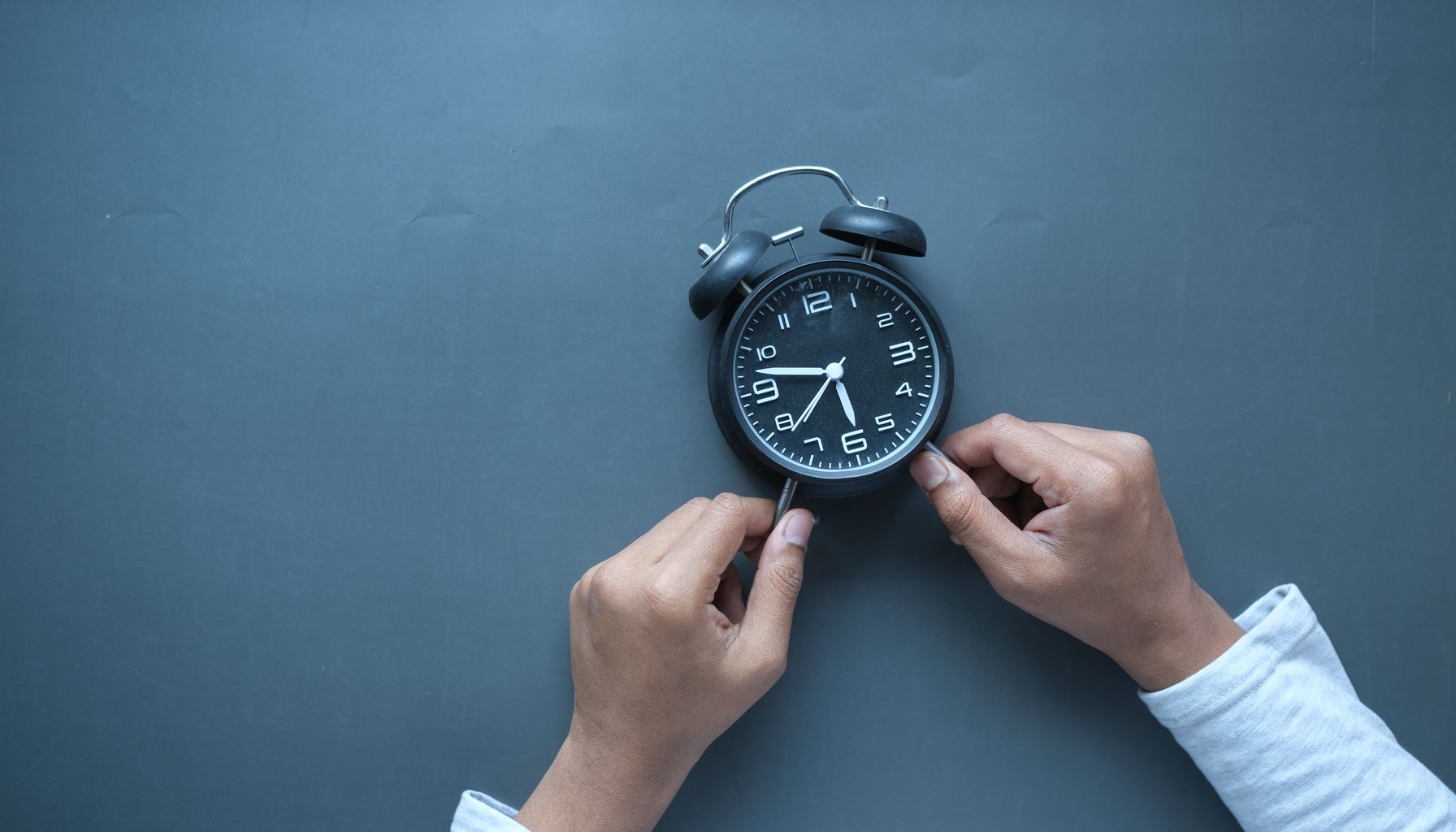
On the night between Saturday, October 24, and Sunday, October 25, 2026, Italy returns to standard time (ora solare): clocks will be set back 60 minutes, moving from 3:00 AM to 2:00 AM. The change marks the end of the daylight saving time (ora legale) period that has been in effect for the previous seven months and has measurable economic and environmental impacts, according to data released by Terna and reported by the press.
Time change: when and how it works (standard time, daylight saving time)
In the early hours of 24/10–25/10, the transition to standard time will occur with the traditional adjustment: between 3:00 and 2:00, the clock hands will be moved back by 60 minutes, effectively giving us an extra hour. The operation is the same as in previous years and affects transportation, business hours, and records on devices that do not update automatically.
The change is largely administrative and affects the daily life of citizens and public services. For readers interested in practical life impacts in Italy, Raízes Italianas maintains regular coverage in sections such as Vida na Itália and Notícias da Itália.

Impacts measured by Terna: energy savings and CO2 reductions (energy savings, CO2 reduction)
Terna, the national grid operator, announced that this year’s daylight saving period delivered measurable benefits to the electrical system and to consumers’ wallets. According to a survey cited by ANSA, adopting daylight saving time resulted in a direct economic benefit of just over €90 million during the seven months of its duration.
According to Terna, the seven months of daylight saving this year reduced CO2 emissions by about 140 thousand tonnes and generated an economic saving greater than €90 million.
In addition to 2026 results, Terna presents historical data: in the period 2004–2026, the decrease in electricity consumption attributed to daylight saving time was over 12.3 billion kWh, with accumulated savings of approximately €2.4 billion. These figures are used by operators and the energy sector to assess the measure’s effectiveness in terms of efficiency and sustainability.
The benefits highlighted by Terna have two main dimensions:
- Economic: reduced energy consumption during peak hours translates to lower costs for the system and consumers.
- Environmental: lower CO2 emissions associated with reduced use of fossil fuels to meet avoided electricity demand.
Context and debates about maintaining daylight saving time
The adoption of daylight saving time and its economic-environmental impact fuel public and political debate in Italy and the European Union. Terna’s measurement of energy savings is frequently cited in arguments in favor of maintaining daylight saving time during the longer months of the year, while critics point to health, sleep, and school routine concerns.
For those following institutional and citizenship topics — issues regularly treated in Cittadinanza Italiana and other portal coverage — the time issue also has administrative implications, for example in deadlines and protocols that move between national and local authorities.
What changes in practice for residents and visitors
- Adjust manual clocks and verify automatic updates on phones and connected devices.
- Check transport schedules (trains, flights, and public transport) — companies usually publish specific notices.
- Pay attention to appointment times for professional and administrative matters on Sunday morning.
Conclusion The transition to standard time on the night of October 24–25 reaffirms an annual routine that, according to Terna’s data reported by ANSA, delivers substantial economic and environmental benefits in 2026 and in the 2004–2026 historical series. The topic remains at the center of debates about energy efficiency and quality of life in Italian cities.
Source: ANSA