Soviet Satellite Fragments, Raising Collision Risk in Orbit
The Meteor 2-7 satellite, inactive since the Soviet era, fragmented after colliding with another piece of debris, with LeoLabs warning of rising incidents among over 28,000 tracked objects.
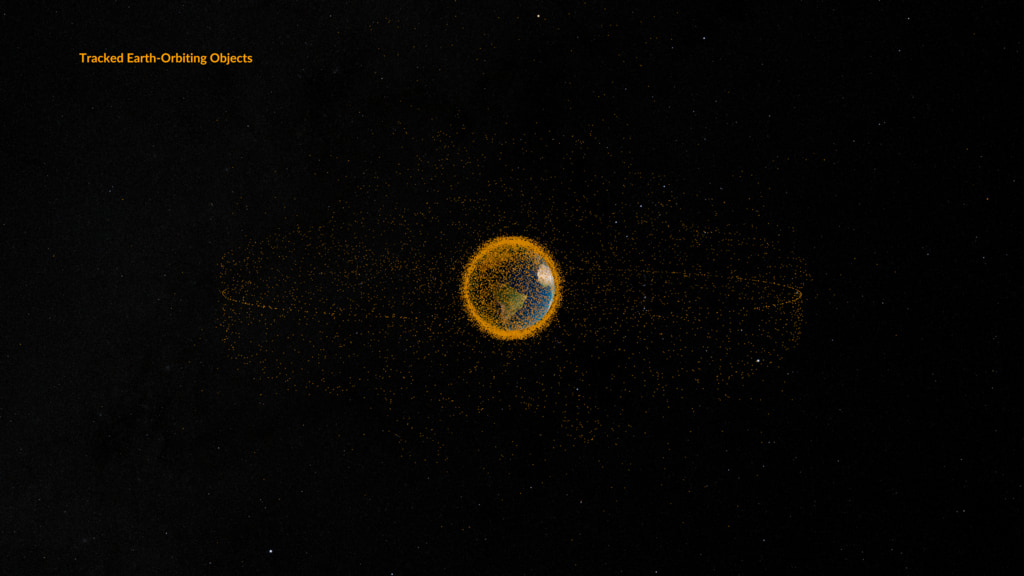
An old Soviet-era inactive satellite, the Meteor 2-7, fragmented after colliding with another piece of orbital debris in low Earth orbit, raising alarms about collision risk and the proliferation of space debris, according to Italian press reports and orbital-tracking firms.
What happened
The event occurred when the Meteor 2-7, launched during the Soviet era and long out of operation, was struck by another orbital fragment, triggering its fragmentation into multiple smaller pieces. The incident was detected by California-based company LeoLabs, which specializes in surveillance and tracking of objects in orbit. LeoLabs monitored the creation of new fragments and issued alerts about the increasing number of tracked objects.
According to ANSA coverage, LeoLabs registered variations in trajectories and a sudden rise in the number of targets observed in the orbital region where the Meteor 2-7 resided, indicative of the main body breaking apart into numerous fragments. Authorities and satellite operators were notified to assess potential cascading collisions and evasive maneuvers.
Context and precedents
Incidents like this have become more frequent. Months earlier, the American spy satellite USA 32 experienced a similar episode, fragmenting after colliding with debris, and, in January 2026, a fragment had already damaged a module attached to the Chinese space station, as reported by the press and orbital monitoring networks cited by ANSA.

This pattern—old satellites or rocket stage components being struck and producing hundreds or thousands of fragments—drives concern in the space community about a domino effect, known as the Kessler Syndrome, where collisions generate debris that then cause new collisions, making certain orbital bands increasingly hazardous for human and robotic operations.
Private organizations and space agencies rely on radar and telescope networks to track objects and compute evacuation/Maneuver. The growing debris density makes conjunction warnings more frequent and pressures operators to anticipate or delay critical maneuvers on scientific, telecommunications, and Earth-observation missions.
The scale of the problem
According to LeoLabs, there are already more than 28,000 objects—both active and inactive—being tracked in Earth orbit, including satellites, rocket bodies, and various fragments. In addition, many other small objects—difficult to detect—travel at high speeds and could cause significant damage upon impact.
The orbital environment comprises:
- Active satellites for communication, observation, and navigation;
- Rocket components left behind after launches;
- Fragments from collisions, old explosions, and material degradation.
Ground-based and private observation networks, like LeoLabs, combine radar and optical data to catalog and predict trajectories. Still, when an old, structurally fragile object like the Meteor 2-7 breaks apart, hundreds of fragments with varied orbits can be produced, substantially increasing the workload for tracking centers and the number of "conjunctions" to evaluate.
Increased fragmentation also compounds safety concerns for crewed missions and for platforms such as weather and telecommunications satellites. Small fragments, even when tiny, travel at several kilometers per second and have enough energy to penetrate panels, antennas, and hulls of spacecraft. Therefore, beyond monitoring, technical and political debates grow around Active Debris Removal and international rules to reduce the creation of new debris.
Implications for operations and monitoring
Satellite operators now need to:
- Reassess safety windows and maneuver plans;
- Increase tracking frequency in affected regions;
- Share data more rapidly among national and private networks.
The incident also strengthens regulatory and governance discussions for space: how to manage inactive satellites, hold operators accountable for debris, and fund mitigation technologies. Parallel to this, private orbital-surveillance companies have changed the information dynamics—alerts like the one issued by LeoLabs are now part of the data flow used by agencies and commercial operators.
For readers of Raízes Italianas interested in following international news and technology developments, the information chain about orbital risks interacts with broader topics in science and daily life, affecting communications and environmental observation services that impact everyday life. Our portal covers this in the Notícias da Itália section and in technology and society reports in Vida na Itália. For those seeking to understand citizenship and legislation issues that also involve diasporas and mobility, see our coverage in Cidadania Italiana.
Conclusion: the fragmentation of Meteor 2-7 confirms a rising trend in orbital debris and reinforces the need for greater international coordination for monitoring, mitigation, and the development of technical solutions that reduce the risk of cascading collisions in near-Earth space.
Source: ANSA