Sensing the Future: Futurists 'semi-launched into the future' at Maxxi
Sensing the Future exhibition at Spazio Extra Maxxi (Nov 25, 2026–Jan 31, 2027), curated by Gabriele Simongini, brings together nine futurist works and dialogue with contemporary artists.
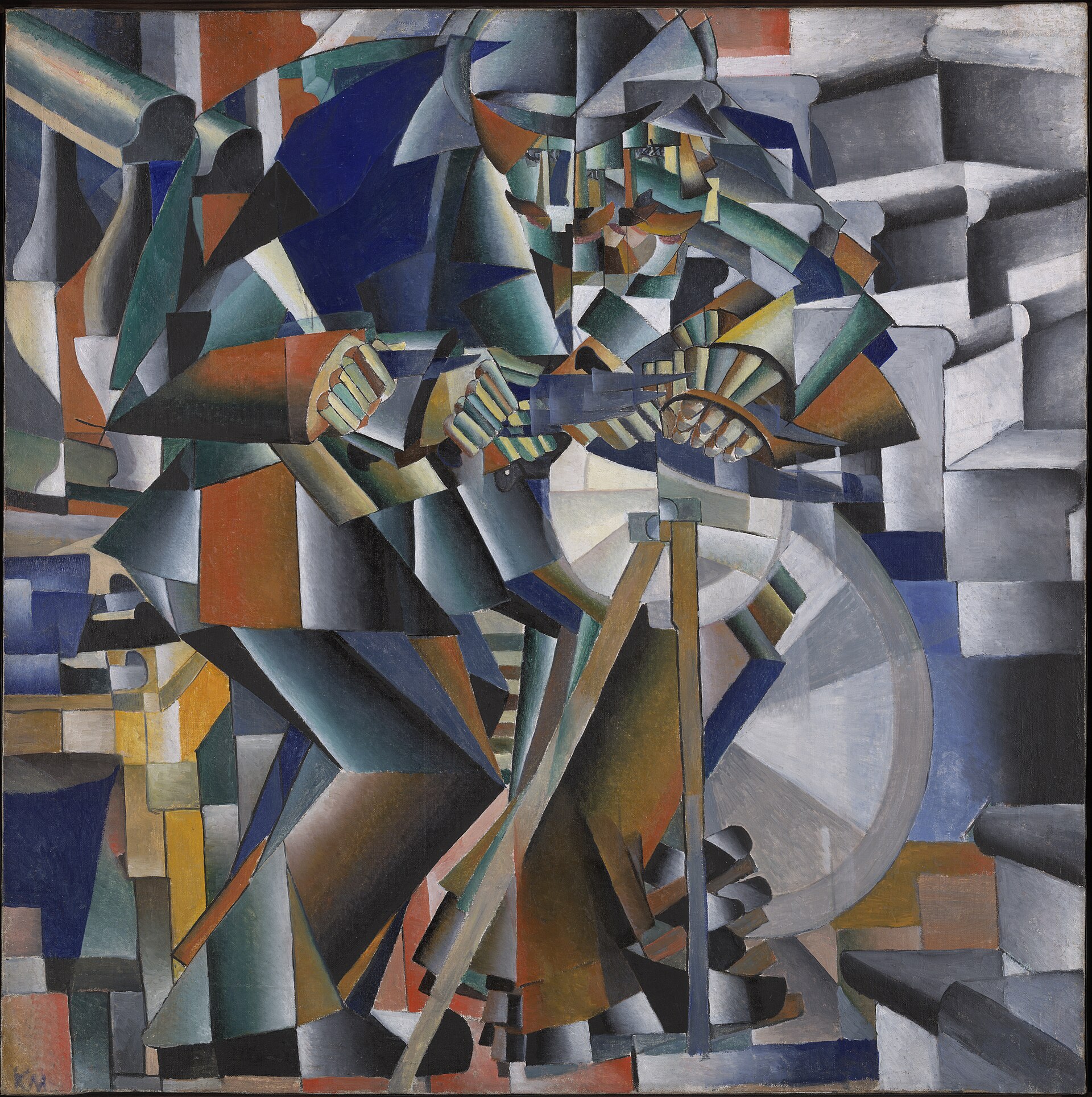
Exhibition at Spazio Extra Maxxi gathers nine futurist works and invites contemporary artists to reinterpret the movement's legacy between 25/11/2026 and 31/01/2027, in Rome, according to ANSA.
Meta description: Sensing the Future exhibition at Spazio Extra Maxxi (25/11/2026–31/01/2027), curated by Gabriele Simongini, brings together nine futurist works and dialogue with contemporary artists.
What it is and when it happens — Sensing the Future, Maxxi, and Futurism
Sensing the Future is an experimental exhibition held at the Spazio Extra Maxxi in Rome, open from 25/11/2026 to 31/01/2027, curated by Gabriele Simongini, ANSA reports. The show was described by the curator as a project that “launches” works from the past into the future — a conceptual operation that positions historical pieces as agents projecting beyond their own era.
According to ANSA, the event aims to revisit the legacy of futurism by placing nine key works in dialogue with contemporary artistic practices, exploring how sensibilities and intentions from the early 20th century can be reread through current technologies and languages. For readers interested in other cultural agendas and Italian news, Raízes Italianas maintains ongoing coverage at /noticias.

Works and artists featured — Depero, Balla, Crali, and Marinetti
The show brings together nine decisive futurist works, including pieces rarely exhibited. Notable works include:
- Big Sale, by Fortunato Depero — cataloged as a rare display work, according to ANSA.
- Feu d'artifice, by Giacomo Balla.
- Marinetti Soleil, attributed to Růžena Zátková — a piece belonging to the Marinetti family and preserved by granddaughter Francesca Barbi Marinetti.
- Le Forze della Curva, by Tullio Crali.
The inclusion of works from private and family collections, such as the piece linked to the Marinetti family, was highlighted by ANSA as a factor giving the show a sense of rarity and custodial responsibility.
Curatorial concept and dialogue with the present — Gabriele Simongini proposes 'seeds' for the future
Gabriele Simongini’s curatorship starts from a historical note by Umberto Boccioni (1914), according to which futurist sensibility would only be fully understood a century later. The exhibition arrives precisely at that temporal “deadline” and proposes that the nine works function as seeds cast into the future — a guiding idea for selection, presentation, and contemporary interventions.
Sensing the Future proposes a dialogue between historical pieces and three contemporary artists invited to reinterpret Futurism themes — speed, machine, light, and the tension between man and technology — using digital tools and current media. ANSA describes the collection as an attempt to “sow” new readings, where the modernist legacy serves both as raw material and as a critical counterpoint.
Relevance for Brazilian readers and descendants of Italians
The show has particular interest for those who follow the Italian cultural heritage, including descendants of Italians in Brazil who track artistic movements and gather information about cultural heritage. The presence of rare works and family pieces reinforces its value for studies of conservation and cultural history tied to the Italian diaspora.
For readers who also follow citizenship and heritage topics, Raízes Italianas reminds that the institutional and preservation context in Italy is a recurring theme in our coverage of /cidadania and /vida-na-italia, areas where identity, memory, and the circulation of cultural assets intersect.
What to see and how the show fits into the cultural circuit
In addition to the nine historical works, the exhibition features contemporary installations that use sensors, video, and 3D printing to reconfigure futuristic images, according to ANSA. The Spazio Extra’s experimental format allows a close reading of the works and a route designed to provoke temporal overlap: visitors encounter the historical object and, immediately, its technological reinterpretation.
Maxxi’s initiative — the national museum focused on contemporary art and architecture — consolidates a continued interest in historical re-readings that question Italian modernity, expanding debates relevant to researchers, curators, and audiences tied to Italian cultural heritage outside Italy.
Conclusion Sensing the Future at Spazio Extra Maxxi offers a critical and forward-looking reading of futurism, gathering rare and familiar pieces with contemporary interventions to question how the past can be re-semanticized in the present and future. The exhibition remains on view until 31/01/2027, offering researchers, art lovers, and descendants of Italians opportunities to engage with the dialogue between heritage and innovation.
Source: ANSA