ReWriters Fest Returns to Rome with a Focus on Social Sustainability
ReWriters Fest in Rome (Nov 19–22): a free, accessible, plastic-free event on social sustainability, featuring Giordana Angi and the Vladimir Luxuria Prize.
The ReWriters Fest returns to Rome with a focus on social sustainability, bringing together culture, institutions, and activism for four days of free programming from November 19 to 22, 2026, according to ANSA.
What is the ReWriters Fest
The ReWriters Fest is a festival entirely dedicated to social sustainability, described by organizers as the first initiative of its kind in Europe. Now in its sixth edition, it was conceived and is directed by Eugenia Romanelli, who leads a largely female team. The event proposes a dialogue between cultural production, public policy, and social movements, emphasizing inclusive and sustainable practices, according to ANSA.
When and where — Rome 2026
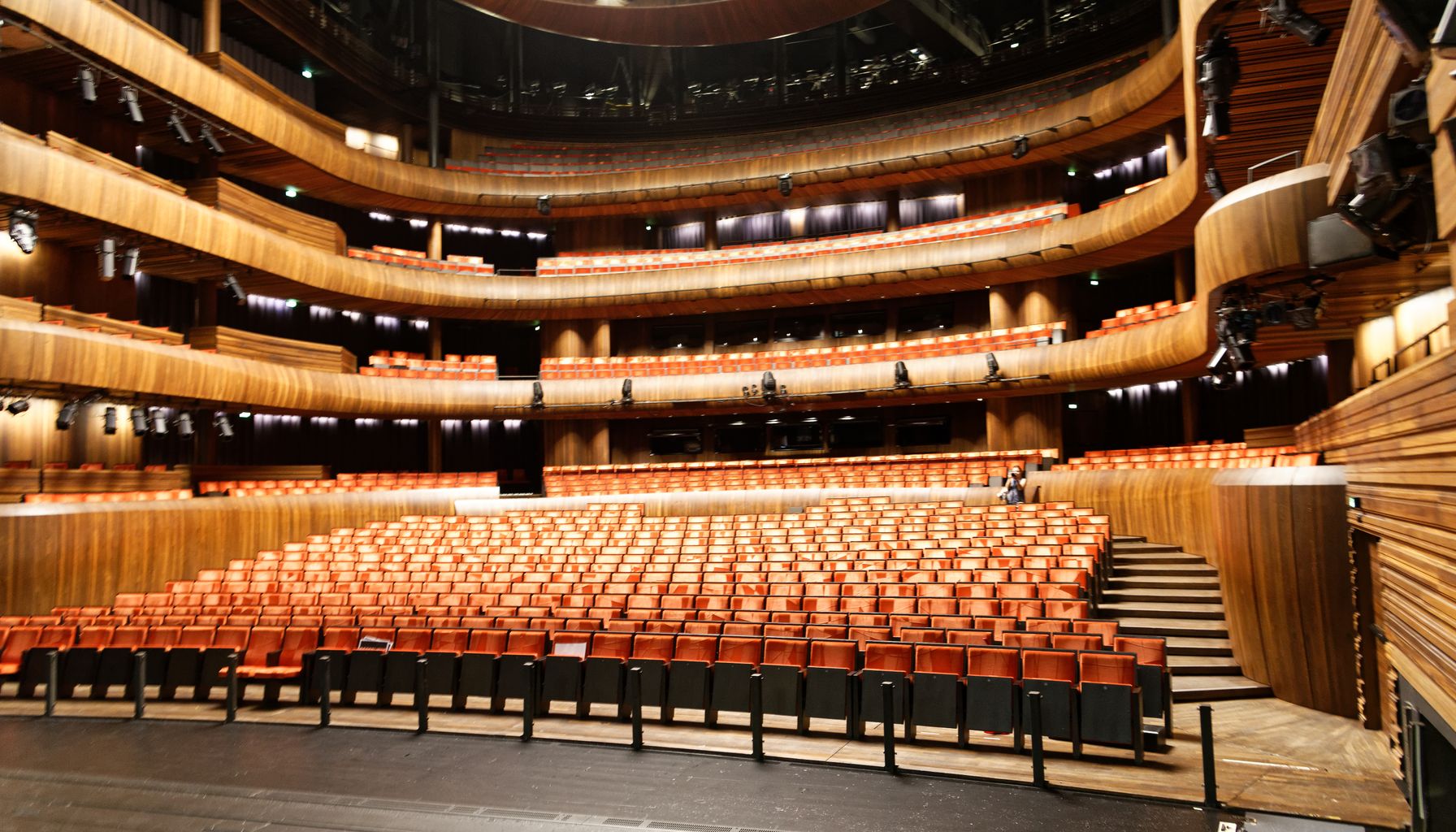
The festival takes place in Rome from November 19–22, 2026, with activities spread across the BNL BNP Paribas Auditorium at Tiburtina Station and the Galleria Alberto Sordi, where Mondadori Bookstore operates. The choice of venues reflects a preference for central urban spaces that facilitate interaction among the public, institutions, and the cultural sector.
Format and accessibility of the ReWriters Fest
The program spans four days and offers free admission. Organizers highlight that the festival is accessible (with initiatives for people with disabilities) and plastic free, aligned with practices to reduce environmental impact. The aim is to unite institutional debate and pop culture, building bridges between everyday language and public policies to broaden reach and participation.

Themes and the scientific committee
The ReWriters Fest draws inspiration from the 10 social goals of the UN 2030 Agenda and the Rewriters.it Ethical Manifesto, addressing a range of socially focused and intersectional topics. Among the planned axes are:
- economic and gender violence;
- LGBTQI+ omophilia/transphobia;
- mental health;
- sex-education;
- climate crisis;
- social impacts of artificial intelligence;
- inclusive sport;
- intergenerational justice.
The festival features a scientific committee that brings together intellectuals and experts, including Massimo Recalcati and Lidia Ravera, to guide debates and ensure academic grounding for public discussions, according to ANSA.
Guests and prizes
Singer Giordana Angi has been invited as the festival’s godmother (padrina), a role that typically signals public support and participation in central programming. Public figure Vladimir Luxuria will receive the ReWriters 2026 Prize, a festival distinction for contributions to visibility and rights of LGBTQIA+ people in culture and politics, as reported by ANSA.
Relevance for Brazilians and descendants of Italians
The ReWriters Fest is especially relevant to those who follow debates related to the UN 2030 Agenda, social rights, and the intersection between popular culture and public policy — topics that resonate in Brazil and with emigrant communities. Brazilians and descendants of Italians may find opportunities for cultural and professional networking, as well as access to debates that influence contemporary Italian social policies. For readers following life in Italy and citizenship topics, the festival signals cultural and institutional trends; coverage on Notícias da Itália, Vida na Itália, and practical aspects in Cidadania Italiana can contextualize broader interests.
Practical programming
In addition to roundtables and expert-led conferences, the ReWriters Fest will include cultural performances, book launches, and performative moments that reinforce the connection between art and social policies. Free entry and central-location choices aim to reduce participation barriers, while a commitment to accessibility and plastic free reinforces the practical sustainability proposal.
“Free, accessible, and plastic-free, with a proposal to integrate institutions and pop culture,” according to ANSA.
The festival represents a blend of activism, cultural production, and institutional dialogue aimed at turning conversations about social sustainability into public and cultural practice.
Source: ANSA