Renting a Property in Italy: 10 Essential Tips for Brazilians
Guide with 10 tips for renting in Italy: old buildings, unfurnished properties, pets, security deposit, commissions, upfront costs, and rent negotiation.
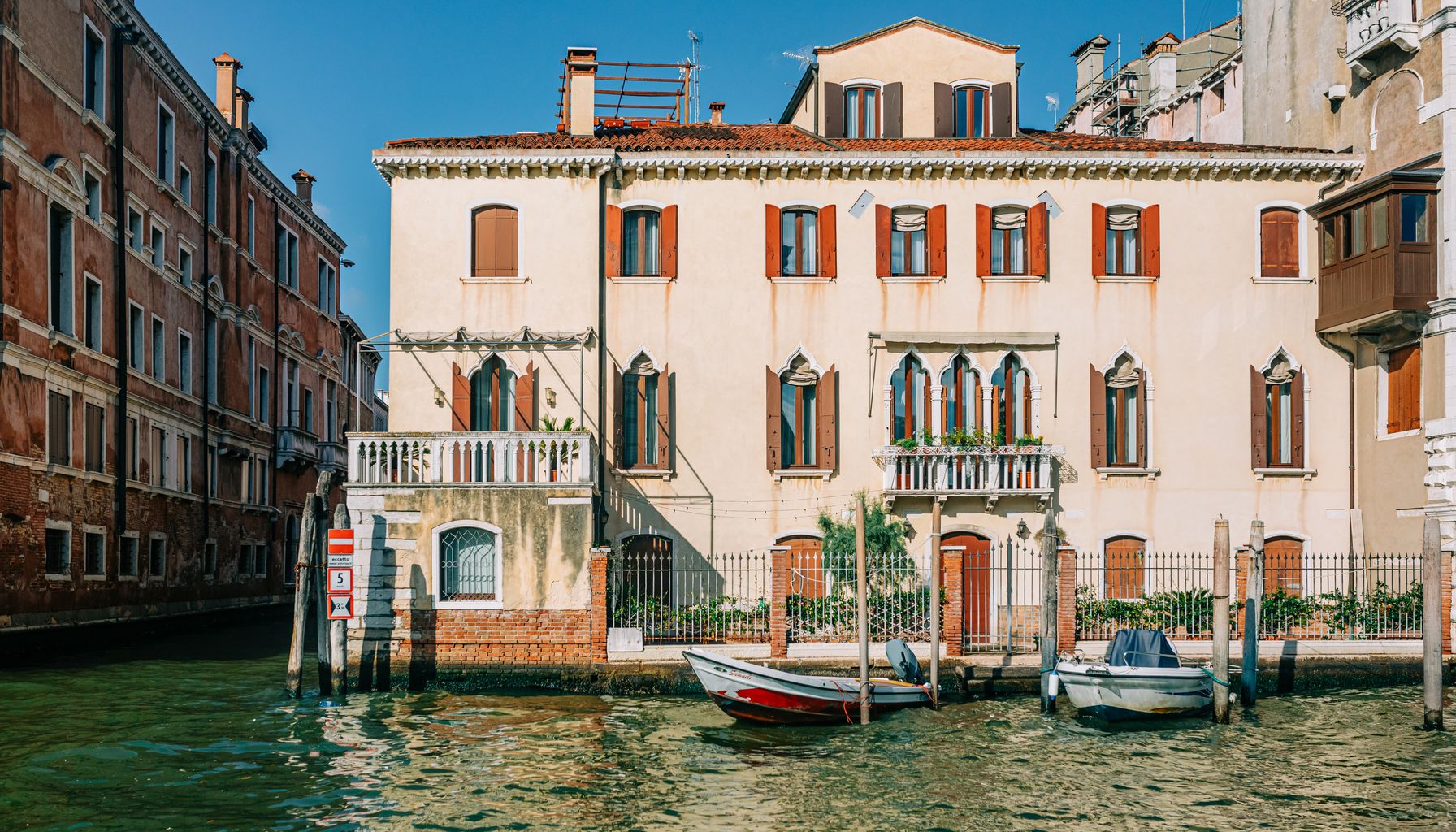
Renting a property in Italy requires attention to details that often surprise Brazilians arriving in the country: historic buildings, contracts with or without furniture, rules about pets, the security deposit, and real estate commissions can generate costs and hassles if not checked before signing. This guide lists 10 essential tips for those planning to rent in Italy, bringing together practical recommendations and negotiation points.
Meta description: Guide with 10 tips for renting in Italy: old buildings, unfurnished properties, pets, security deposit, commissions, upfront costs, and rent negotiation.

1. Main differences and risks when renting in Italy
- Check if the property is in a historic building: many have poor thermal and acoustic insulation, old electrical or plumbing installations, humidity issues, and no elevator.
- Old condominiums may have central heating with schedules set by the condominium assembly, which limits individual use.
- For Brazilians, these characteristics imply adjustments to comfort and unplanned expenses (e.g., installing an electric heater, repairs, insulation). These conditions vary greatly by city and neighborhood; research the local context before signing the contract. (Also see the latest Italy News about the real estate market.)
2. Furniture and inventory: beware of “non arredato”
- Common terms: non arredato (unfurnished), parzialmente arredato (partially furnished), and arredato (furnished).
- A “non arredato” property may not include even the kitchen (sink, countertop, cabinets). In many cases the kitchen must be installed by the tenant. “Parzialmente arredato” usually includes a basic kitchen but without appliances. Short-term and temporary rentals are often offered arredati.
- Recommendation: do an in-person inspection and require a written inventory (stato dei luoghi) describing what stays in the property and its condition; this document should accompany the contract to avoid disputes over the security deposit at the end.
3. Pets: what’s allowed
- There is no single rule that obliges owners to accept pets; acceptance depends on the owner and the contract.
- Condominium rules cannot generally prohibit pets inside private units, but they can regulate the use of common areas. Therefore, contractual clauses about pets need to be clear.
- Recommendation: obtain written authorization from the owner, set conditions on possible damages, cleaning responsibilities, and rules for using common areas — all documented in the contract for legal security.
4. Security deposit and other upfront costs
- It is common for the owner to require a security deposit of up to three months’ rent for residential contracts. This amount is returned at the end of the contract, minus any deductions for damages.
- Important: the deposit accrues legal interest; these interest payments — when applicable — should be paid to the tenant annually (confirm in the contract how this is handled).
- Other upfront costs to consider: first month’s rent, real estate commission (where applicable), payment of upfront condominial expenses, and fees to activate/transfer water, gas, electricity, and internet.
5. Condominium expenses: what they cover
- The spese condominiali cover the upkeep and maintenance of common areas (cleaning, elevator, concierge) and, when present, central heating.
- Not all expenses are always included in the advertised rent; ask which costs are ordinary (monthly) and which are extraordinary (works and occasional interventions) — the latter can result in extraordinary charges to residents.
6. Real estate agencies in Italy and commissions
- A large part of listings go through agenzie immobiliari that organize visits, mediation, and document verification. The commission varies by region and agency; there is no national fixed amount.
- Recommendation: clearly ask for the commission amount, who pays it (landlord or tenant), the payment term and method, and which taxes apply. Confirm the agency’s identification (VAT number, address) before transferring funds.
7. Contract: duration, modalities, and important clauses
- Residential contracts come in various forms (for example, 4+4 contract, cedolare secca for rents under a specific tax regime, transitional contracts). Check the duration, renewal conditions, and penalties for early termination.
- Review clauses on maintenance, small repairs, responsibilities for works, and use of common areas. Require translation or a clear explanation if you do not master Italian.
8. Documents and references
- Basic documents: identity document/passport, codice fiscale, proof of income or letter of employment. Landlords may request references from previous rentals.
- For foreigners without a rental history in Italy, a higher deposit or a guarantor may be requested.
9. Rent negotiation: is it possible and advisable
- The advertised price is not always final: location, how long the property has been vacant, time of year, and local demand influence the negotiating margin.
- Recommendation: try to obtain a price reduction, an initial grace period (e.g., one month without rent for minor renovations), or inclusion of services in the spese condominiali. Brazilians can achieve better terms by negotiating with tangible, local comparables.
10. Before moving in: inspection and receipts
- Do a detailed inspection and document the property's condition with photos and an inventory. Request receipts (ricevute) for all payments and a contract signed in two copies.
- Keep transfer proofs and written communications with the owner/agency. In case of dispute, documentation is essential.
Conclusion Renting in Italy requires attention to practical and contractual details that differ from the Brazilian market. Checking furniture, inventory, pet rules, the cauzione deposit, condominium fees, and contract clauses — along with real estate commissions and negotiating the price — helps avoid surprises and extra costs when you arrive in country. For citizenship and life in the country, also see the pages on Citizenship and Life in Italy and follow the latest Italy News.
Source: Italianismo