Mendonça Defends Ethics at Supreme Court in Brazil-Italy Seminar
At Brazil-Italy legal event, Mendonça defended Supreme Court Ethics Code, but faces criticism over secrecy decision and meeting with Vorcaro.

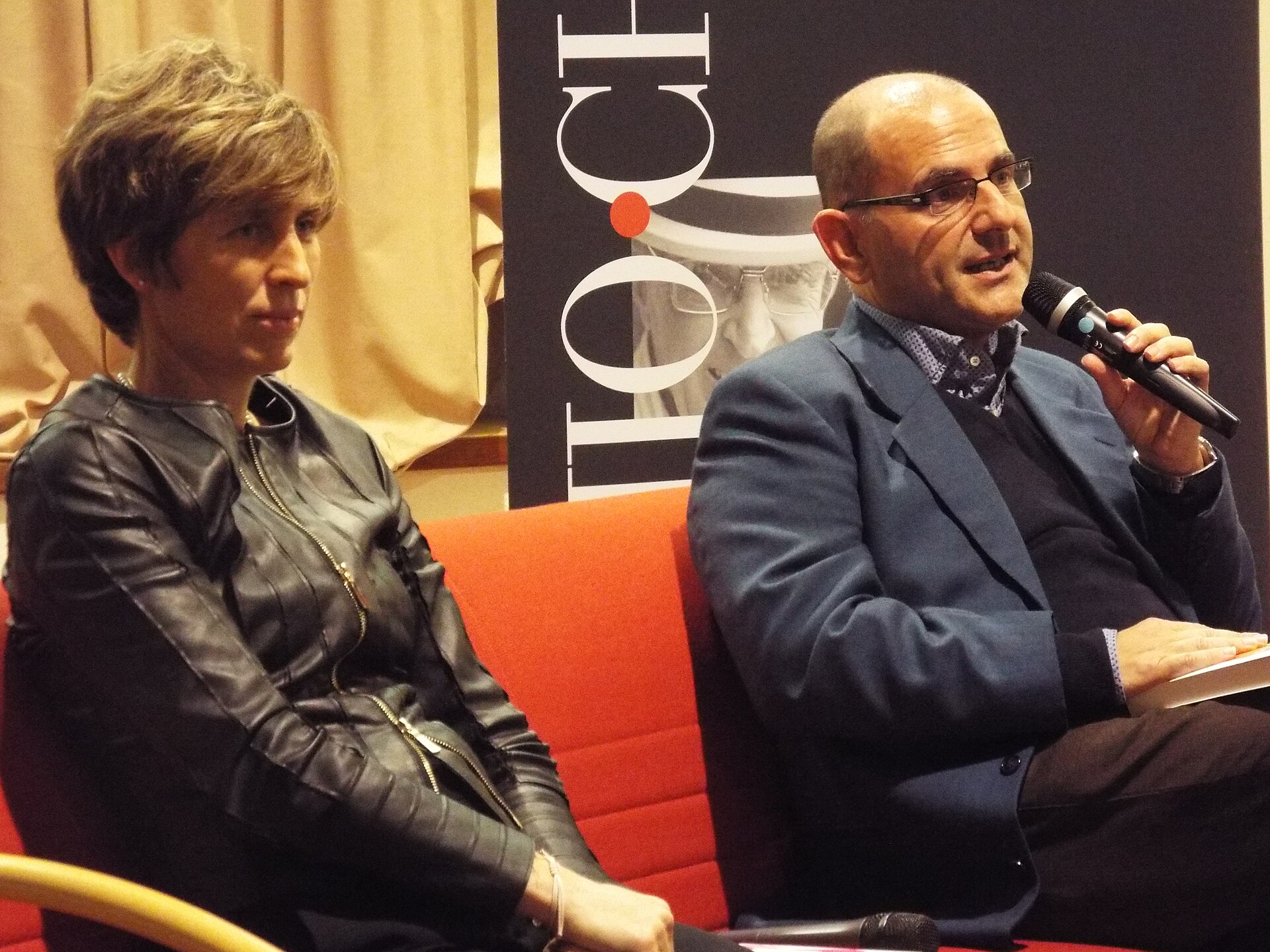
Minister André Mendonça of the Supreme Court of Brazil (STF) advocated for the approval of a Code of Conduct and Ethics for Court members during a legal seminar that brought together experts from Brazil and Italy. The event, held at STF headquarters, aimed to deepen institutional cooperation between the two countries, but was overshadowed by questions about the minister's recent actions, according to Comunità Italiana.
Seminar Brings Together Brazilian and Italian Legal Experts at STF
During his participation in the meeting, Mendonça publicly advocated for the approval of clearer ethical rules for the Court's ministers. The proposed Code of Conduct and Ethics is being reported by Minister Cármen Lúcia and has support from the current STF administration, led by President Edson Fachin, according to Comunità Italiana.
The seminar brought together judges, lawyers, and academics from both countries to discuss constitutional law and judicial cooperation topics, in an effort to strengthen institutional ties between Brazil and Italy. This type of legal exchange is directly relevant to those following Italy News, especially given the growing interest of Brazilians descended from Italians in topics involving institutional relations between the two countries.
Although the event's focus was academic and diplomatic, Mendonça's remarks on ethics gained repercussion precisely because they contrasted with recent episodes of his actions at the STF, which had been criticized by various sectors of the legal and political community.
Controversy Over Unilateral Decision
Before the seminar, Mendonça was already facing criticism for a decision made unilaterally: the minister removed confidentiality from Federal Police reports involving Minister Alexandre de Moraes and businessman Daniel Vorcaro, according to Comunità Italiana.
The measure provoked immediate reaction from the Attorney General's Office (PGR), government parliamentarians, and the Grupo Prerrogativas, an entity that brings together legal experts and often takes positions on matters related to the judiciary. Critics argue that the decision was made without proper collegial deliberation, which violates the very principles of transparency and prudence that the minister himself defended at the Brazil-Italy seminar.
According to Comunità Italiana's reporting, some sectors even accused Mendonça of politically favoring the opposition with the decision, citing among the beneficiaries Senator Flávio Bolsonaro. The controversy reignited debate over the limits of individual decisions by STF ministers in cases of high political sensitivity.
Meeting with Vorcaro Raises New Questions
The episode took on new dimensions with the revelation that Mendonça had met personally with Daniel Vorcaro in March 2025 — a meeting that only became public later, according to Comunità Italiana.
Faced with the repercussion, the minister's office issued a statement saying the meeting was institutional in nature and took place at Vorcaro's request, to discuss matters related to precatory payments. Mendonça's office statement further emphasized that the minister's subsequent decisions in cases involving the businessman had actually gone against Vorcaro's interests — an argument used to refute the thesis that there was an improper relationship between the parties.
Despite the official explanation, the episode reinforced criticism that the STF lacks stricter rules on private meetings between ministers and interested parties in cases under their jurisdiction, which is precisely the core of the Ethics Code proposal being reported by Cármen Lúcia.
Relevance for the Italian-Brazilian Community
Although the case concerns Brazilian domestic politics, the seminar that served as backdrop to these discussions is directly relevant to the Italian-Brazilian community. Meetings like this reinforce legal cooperation between Brazil and Italy, in areas ranging from constitutional law to topics of more practical interest to Italian descendants, such as processes related to Italian Citizenship.
The episode also illustrates a broader debate about transparency and ethics in the Brazilian Judiciary — a topic of interest to those closely following the country's institutional life, including Brazilians based in Italy or in the process of citizenship recognition, who typically maintain close ties with Brazilian news. For those already experiencing life in Italy, this type of institutional monitoring helps understand the political context of one's country of origin while building a new routine abroad.
The case involving Mendonça continues to reverberate in Brazilian legal circles, and the expectation is that the Code of Conduct and Ethics proposal will advance at the STF in upcoming sessions, amid pressure from civil society and the judiciary itself for greater transparency in the Court's decisions.
Source: Comunità Italiana