
LGBTQ+ Tourism: Spain Leads; Italy 36th Place
In Rome, the 4th General State of LGBTQ+ Tourism opens. Spain leads; Italy falls to 36th on Rainbow Map 2026, impacting professional mobility.
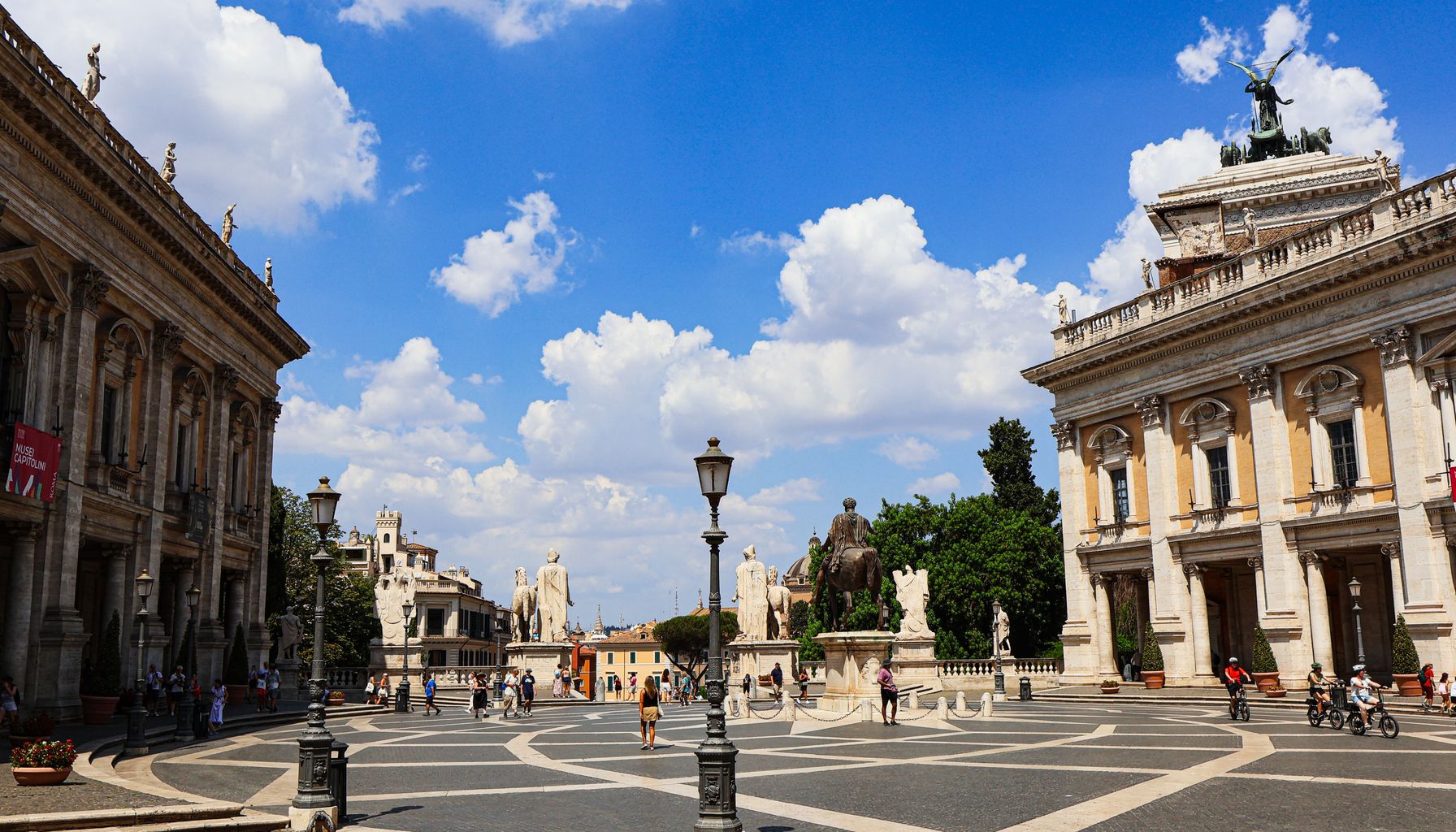
The fourth edition of the European General States of LGBTQ+ Tourism opened this Tuesday at Aula Giulio Cesare, in the Campidoglio, Rome, organized by Elta in partnership with Roma Capitale and sponsored by the European Parliament and Federturismo Confindustria, according to ANSA.
The opening in Rome and the event
The gathering, the fourth edition of the General States of LGBTQ+ Tourism, is taking place in Rome and brings together public and private sector representatives to discuss safety, inclusion, and mobility of LGBTQ+ travelers in Europe. The event is promoted by Elta and has institutional support from Roma Capitale, as well as sponsorships from the European Parliament and Federturismo Confindustria, as reported by ANSA. The program aims to articulate policies and practices in the tourism sector, focusing on recent data about safety and international rankings.
European safety panorama and rankings (Rainbow Map 2026)
Europe continues to be identified as the safest region for queer travelers, with an average of 43% rights verified in the measurement that makes up the Rainbow Map 2026, a rise of +2.75% from 2025, according to ANSA citing Ilga-Europe. In the European Union, the average reaches 52%.
Spain leads the ranking with 88.7%, followed by Malta, while Italy has fallen one position to now be in 36th place among 49 countries evaluated, with a score of 24.11%, according to data cited by ANSA based on Ilga-Europe. These indicators consider legislation, protection against discrimination, recognition of unions, access to services, and other factors that determine the level of safety and rights for LGBTQ+ people in each country.

Impacts on LGBTQ+ professional mobility
The data presented at the event also highlight implications for business travel. As numbers released at the opening session — cited by ANSA —:
- Only 50% of LGBTQ+ workers say they feel comfortable on business trips.
- 23% report experiencing states of persistent anxiety during professional travel.
- Almost 45% have been forced to hide their identity for safety reasons while traveling for work.
These indicators point not only to safety barriers but also to potential losses in professional mobility, networking, and career opportunities for LGBTQ+ people. In the Rome panel, experts and tourism operators discussed practical measures — corporate travel policies, team training, insurance and safety protocols — to reduce risk and increase inclusion in work travel.
Relevance for Brazilians and descendants
For Brazilian LGBTQ+ individuals planning tourism, studies, or professional relocations to Europe, the diagnosis presented in Rome is a useful guide to assess risks and plan the trip. Rankings like the Rainbow Map 2026 influence destination choices and determine practical precautions — for example, preferring countries with stronger legal protections, choosing accommodations and operators with inclusive policies, and informing oneself about insurance coverage and consular support.
Brazilians interested in topics related to life in Italy or processes that involve moving to another country can consult articles on Life in Italy and updates in Italy News. For those considering family connections and citizenship, it is important to follow the legal framework and current rules in Italian Citizenship, since legislative and administrative changes impact mobility and rights.
Key highlights from the event
- The combination of indices and personal accounts showed that legal advances do not always translate into practical safety during travel and work.
- Countries with high Rainbow Map 2026 scores attract LGBTQ+ tourists with greater confidence, while lower standings, such as Italy’s, tend to warrant additional precautions.
- The involvement of public institutions and sector associations signals an effort toward coordinated policies between tourism and human rights.
Conclusion: the Rome opening brought to the center of European debate the relationship between rights, safety, and the economics of LGBTQ+ tourism. Rainbow Map 2026 confirms established leaders, such as Spain, and highlights challenges for countries with lower scores — information relevant for those planning to travel or work in Europe.
Source: ANSA