Blind woman achieves dream and becomes Italy's first blind female student pilot
Lucia Sabrina Papa, 56, blind from birth, became Italy's first officially recognized blind student pilot, with about 200 flight hours and a visit to the ENAV tower in Fiumicino.
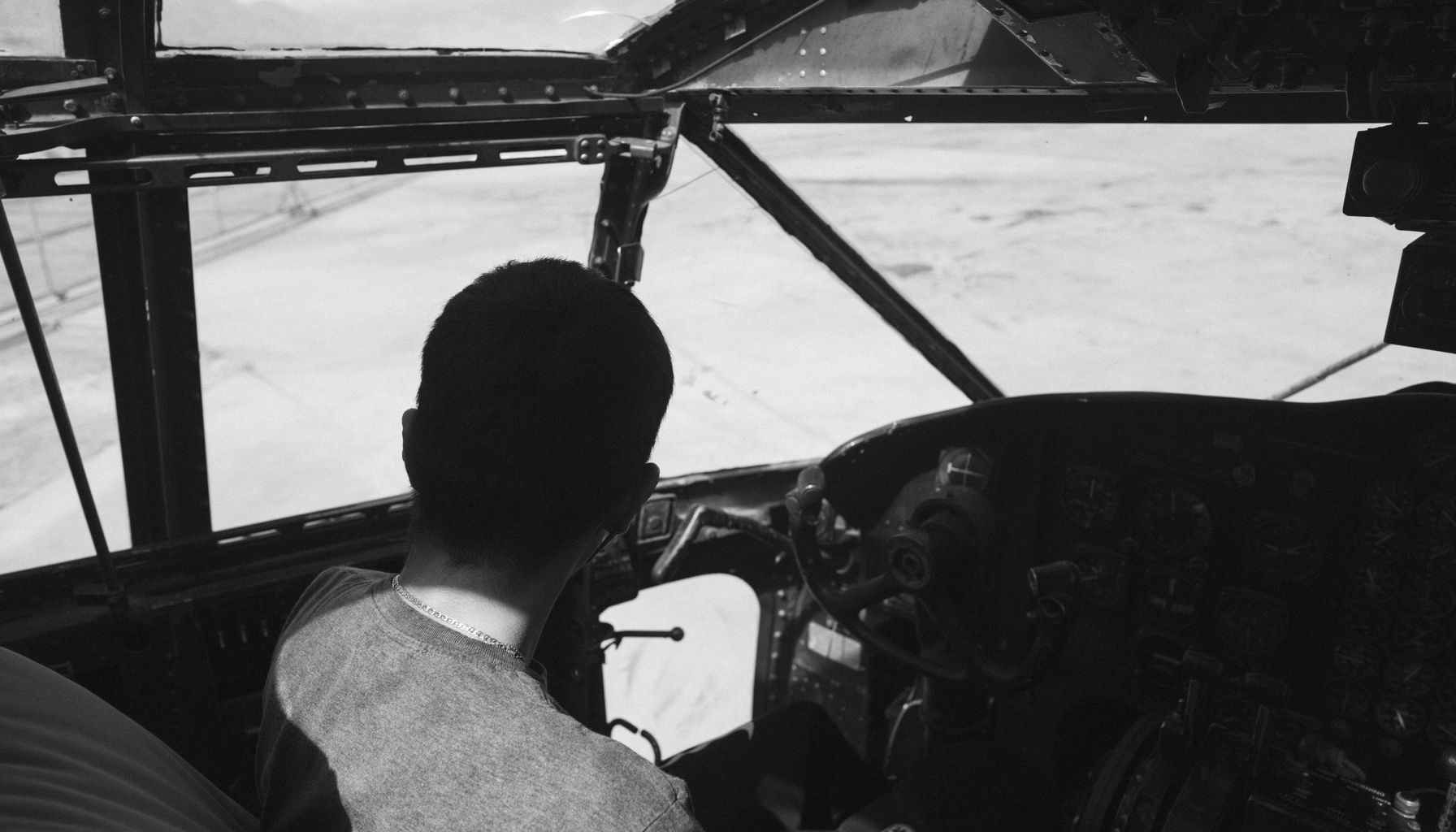
On November 10, 2026, in Fiumicino, the ANSA agency reported that Lucia Sabrina Papa, 56, blind from birth, became Italy's first officially recognized blind student pilot, after amassing about 200 flight hours always with an instructor on board. Her visit to the Control Tower of Rome–Fiumicino Airport also marked public recognition of her path in adaptive aviation.
Lucia Sabrina Papa's Journey and Training as a blind student pilot
Lucia was born in Salice Salentino and developed a lifelong passion for flight, fueled by her proximity to the Military Airport “Fortunato Cesari” in Galatina, according to ANSA. Bearing a retinal dystrophy that left her blind from birth, she built an initial career in IT before dedicating herself to the world of aviation.
The practical process of familiarization with aircraft began gradually and communally: Lucia approached first as a passenger and volunteer in flights promoted by associations such as the ‘Baroni rotti’ and the We‑Fly Team, groups that promote inclusion in aviation. In 2016, she intensified training and has since piloted aircraft of different categories under supervision — ultralights like the Sky Arrow and the Tecnam P‑92, training aircraft such as the Cessna 152/172, and even the aerobatic aircraft Extra EA‑200 — always paired with an instructor on board.
According to reports to ANSA, these instructor-led flight hours total approximately 200 hours, a milestone that symbolizes both personal persistence and the cooperation among instructors, associations, and training centers.

Visit to ENAV Control Tower in Fiumicino and Technologies
For the first time, Lucia entered the ENAV Control Tower at Rome–Fiumicino, where she got a close-up view of air traffic controllers’ work and the technologies used in airspace management. The visit — covered by ANSA — had an institutional and promotional character, highlighting the importance of integrating people with disabilities in the various stages of the aviation system, not only as passengers but as active participants in training and demonstrations.
The experience highlighted how procedures, radio communication, and human support are fundamental to enabling adaptive flights to take place safely. The combination of practical training, emergency protocols, and the on‑flight instructor’s role was cited as a key element to enable the activity of a student who does not use sight.
Relevance for Brazilians and Italian Descendants
Lucia's case has symbolic and practical relevance for Brazilians, especially for those with ties to Italy or seeking information about inclusion in Italian activities. First, it is an example of how local associations and training centers can create pathways to adaptive aviation, useful information for those seeking similar experiences in Italy. For Brazilians interested in living, studying, or pursuing activities in Italy, the story shows possible paths to social and sports integration.
Additionally, the episode reinforces broader themes covered in sections like Vida na Itália and Notícias da Itália: accessibility policies, civil initiatives, and cooperation between non-governmental organizations and public structures. For those following pieces on Cidadania Italiana, the story is also a reminder that ties to Italian localities often go beyond formal legalities and can include cultural, associative, and sports networks that bring descendants closer to the country.
Impact and Lessons for Adaptive Aviation
Lucia's journey highlights three practical points for adaptive aviation projects:
- Personalized training: the combination of flight hours with experienced instructors and adapted methodologies proved essential.
- Collaboration between associations and official structures: the presence of groups like We‑Fly Team and the opening of spaces like ENAV's Tower facilitated legitimacy and visibility.
- Communication and safety: clear radio communication protocols and safety procedures were decisive for the operability of flights with a non-sighted student.
For those seeking information about inclusion initiatives in Italy, the news encourages following portals and local organizations that publicize events, training, and opportunities. Raízes Italianas continues to cover related topics in its Notícias da Itália section, focusing on initiatives of interest to people with ties to the country.
Conclusion Lucia Sabrina Papa's achievement — becoming Italy's first blind female student pilot and visiting ENAV's Control Tower in Fiumicino — is presented as a milestone of inclusion in Italian aviation, the result of individual effort and the support of associative and institutional structures that enabled her training. The story serves as a concrete example of how accessibility and adapted procedures can broaden opportunities in areas traditionally dependent on sight.
Source: ANSA