Italian Online Genealogical Research: A Practical Guide
Learn how to investigate Italian ancestry online with practical tips on public sources, databases, and the steps needed to confirm citizenship, including judicial routes.
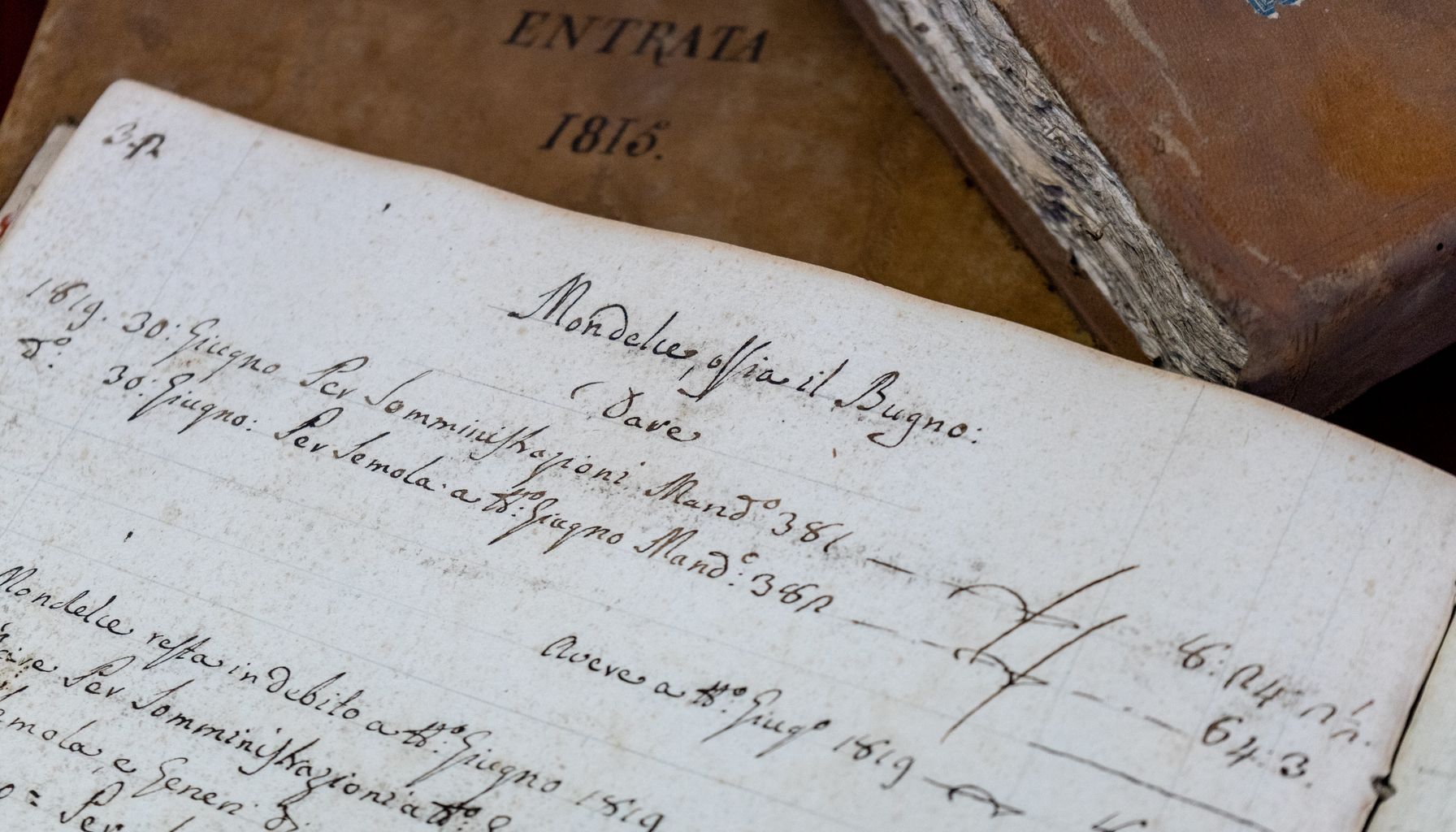
Learn, in practical steps, how to research Italian ancestry online: public sources, search strategies, evidence organization, and what is needed to advance citizenship confirmation, including through judicial routes.
Why search online? benefits and limitations
Researching Italian genealogy online allows access to records without travel, speeds up hypothesis testing of kinship, and helps locate basic documents. Benefits include time savings, access to digitized historical databases, and tools to assemble genealogical trees.
Important limitations:
- Not all records are digitized; many older records exist only on paper in local Archivio di Stato.
- Official documents for citizenship purposes may require certified copies or transcriptions issued by Italian officials.
- Recent changes in citizenship legislation (DL 36/2025, converted into Lei 74/2025, the so-called “Decreto Tajani”) restricted administrative and consular pathways in many cases; for legal context, see publication in the Gazzetta Ufficiale and coverage by Corriere della Sera. For information on consular and judicial procedures, it is recommended to consult official texts and up-to-date news in /noticias and /cidadania.
Structuring the objective: kinship, surnames, and regions
Before you search, define your objective: prove direct relationship (father/grandfather/great-grandfather), locate place of origin, or simply build a genealogical tree. Record:

- Full names (including variations and old spellings).
- Dates and places of birth, marriage, and death.
- Migrations between cities and countries.
Practical tip: start with the most recent generation known in Brazil and work backward. Focusing on surnames and comune of origin reduces searches; many Italian databases are indexed by comune and cognome.
Quick panorama of available Italian sources
Key online sources:
- Portale Antenati (Archivio di Stato): digitized civil status records collection (births, marriages, deaths). Check https://antenati.cultura.gov.it, as per the portal itself.
- FamilySearch (Church of Jesus Christ of Latter-day Saints): large repository of images and indexes of parish and civil records; free at https://www.familysearch.org.
- Passenger lists and immigration databases: Ellis Island and collections of Italian and American ports help trace a ancestor’s departure.
- Parish and diocesan archives: often accessible only by contacting the parish or diocese directly.
Also consult practical guides and news on legislation and citizenship in /noticias and articles about /vida-na-italia for historical and cultural context of the regions.
Civil and parish records in Italy
- Civil registers (stato civile / anagrafe): acts post-1866 are generally civil; duplicates are kept in comuni and in Archivi di Stato.
- Parish records (battisteri, matrimoni, decessi): cover periods before Italian unification; many are indexed in projects like FamilySearch or digitized locally.
- To locate archives: consult the site of the respective Archivio di Stato and Portale Antenati.
"Anagrafe" and "stato civile" are important technical terms: the first refers to the registry of residents (living people), the second to birth/marriage/death records.
Immigration records and passenger lists
Passenger lists (liste di bordo) help confirm departure/arrival dates and ports. For immigration research:
- Look for databases like Ellis Island (for arrivals to the USA) and collections from Brazilian ports (where available).
- Italian immigration records may appear in municipal or state archives; the ancestor’s presence on lists corroborates the link between a place in Italy and the local civil registry.
How to use official sites and databases
- Always start with Portale Antenati and the Archivio di Stato site of the comune of interest.
- Use filters by comune, year, and act type. Save images and references (year, act number, page) for traceability.
- Also consult FamilySearch for indexes that precede official digitization.
Tips on surname research and variations:
- Try alternative spellings, transcription errors, and old abbreviations.
- Look for alternative given names (e.g., Giuseppe = Joe/Joseph) and dialectal variations.
Strategies to overcome language and date issues:
- Use genealogical dictionaries (it-pt) and glossaries of civil/parish terms.
- For dates, consider Julian calendars/local granularities: verify whether the record uses baptism date vs. birth date.
Organizing results: genealogical trees and notes
- Maintain a spreadsheet with columns: name, date, place, source type, link/image, reference (Archivio, act no.).
- Use genealogy software or websites, but also keep local copies (PDF/PNG) of the original images.
- Tag primary documents (official act) and secondary sources (indexes, transcriptions).
How to validate information for Italian citizenship:
- For citizenship via judicial process, primary documents (certificates issued by Italian civil states or official transcriptions) are preferable. The judicial path exists, especially after the restrictions of Decreto Tajani, but requires specialized legal counsel and robust evidence. See /cidadania for articles on procedures and monitor legal updates from sources like Gazzetta Ufficiale and reports in /noticias.
Common errors and how to avoid them:
- Accept indexes without confirming the act image.
- Confuse comuni with homonymous towns — always confirm province/region.
- Rely only on public trees without documentary sources.
Practical steps: a four-week plan
Week 1: Gather known data in Brazil; identify the probable comune. Week 2: Search Portale Antenati and FamilySearch for births/marriages; save images. Week 3: Check passenger lists and immigration records; compare dates. Week 4: Organize evidence in a spreadsheet, generate a provisional tree, and identify missing documents to request official certificates.
Useful tools:
- Portale Antenati, FamilySearch, Ellis Island.
- Spreadsheets (Google Sheets/Excel) for control.
- Genealogy software (with GEDCOM export).
- Digital libraries and local repositories (Archivi di Stato sites).
How to document sources for future checks:
- For every fact, record: source, document type, date of the act, file reference (comune, anno, numero atto), and link to the image when available. This facilitates official requests and potential judicial processes.
Conclusion Online Italian genealogy is feasible and productive with a method: prioritize primary sources, document references, and follow a progressive plan. For those seeking citizenship, especially after recent legal changes, the documents gathered online are the first step — final validation usually requires official certificates and, in many cases, legal guidance for the judicial route.