
Government Triggers Confidence Vote on Electoral Law: Three Articles
Minister Luca Ciriani today filed the confidence vote on Articles 1-3 of the electoral law; the schedule details nominal votes and a final live vote on TV.
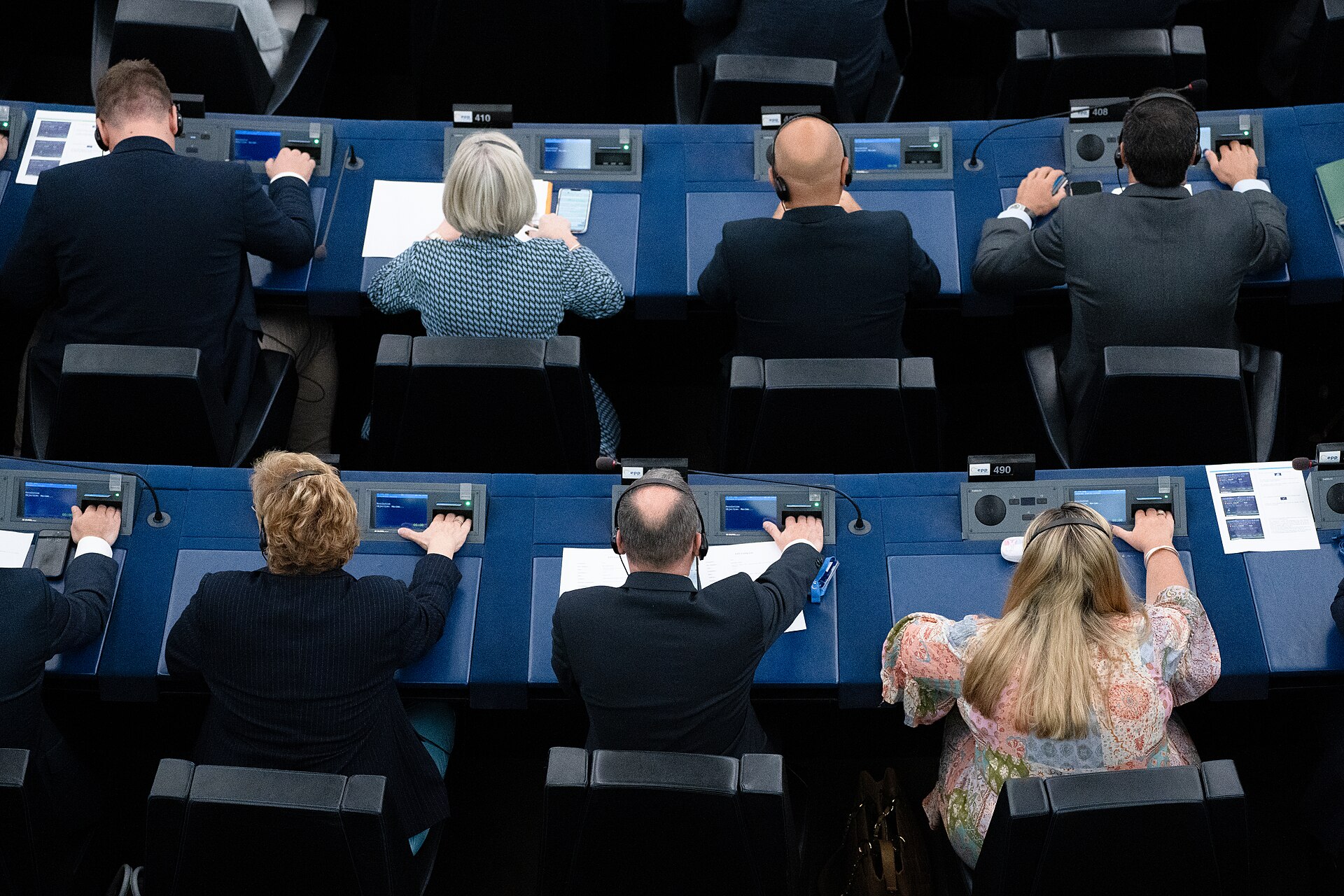
The government on Monday, October 5, 2026, mounted a confidence vote on the first three articles of the electoral law in the Chamber of Deputies; the presiding officer, Giorgio Mulè, announced a detailed schedule for the votes, including nominal votes and a final vote broadcast live, according to ANSA.
Government action today — electoral law and the confidence vote
The Minister for Relations with Parliament, Luca Ciriani, presented to the Chamber a confidence vote restricted to Articles 1, 2, and 3 of the electoral law proposal, forcing an accelerated procedure on these core points of the text, according to ANSA. The measure limits the ability of deputies to amend, because approval of articles tied to the confidence implies that few amendments may pass without triggering a political crisis.
The formal calendar announcement was made by the presiding officer, Giorgio Mulè, who detailed voting times and modalities — including vote declarations and nominal calls — for the days ahead. The government’s move comes amid intense political attention and reaction among opposition benches.
Voting schedule — nominal votes, sessions, and broadcast
Mulè stated that the sequence of work in the Chamber will follow a tight schedule, with nominal votes planned for decisive parts of the text. The main steps announced are:

- Tuesday:
- From 12:10 p.m., vote declarations on Article 1 begin.
- The vote by nominal call will not start before 2:00 p.m.
- Then there will be declarations and a vote by nominal call on Article 2.
- Wednesday:
- From 9:00 a.m., declarations on Article 3 begin.
- The vote by nominal call on Article 3 will not occur before 10:50 a.m.
- At the end of examining Article 3 and until 1:30 p.m., Article 8 of the electoral law will be voted on.
- From 4:15 p.m. onward, with the possibility of a late-night sequence, the Orders of the Day (ODG) will be considered.
- Thursday:
- Final vote declarations in live broadcast starting at 10:30 a.m..
- The final vote will not occur before 12:30 p.m.
The repeated use of nominal calls makes deputies’ votes public, with political implications for the government and for the majorities’ formations. The live broadcast of final declarations broadens the visibility of this decisive phase of the procedure.
Opposition reaction in the Chamber
The opposition reacted with sharp criticism of the confidence measure. Deputy Federico Fornaro (Democratic Party, PD) labeled the move as “undignified” and said that applying the confidence on central parts of the text represents “un schiaffo a questo ramo del Parlamento” — “a slap to this branch of Parliament,” according to ANSA. Fornaro also expressed discomfort with imposing the confidence on 53 amendments submitted by the oppositions, noting that the measure would not be limited to mere parliamentary obstruction.
According to the deputy, the government’s decision reflects the majority’s fear for its own cohesion and control over potential secret votes. The criticism highlights the confrontational climate between the majority and the opposition in the electoral law’s passage, which is under strong media and political pressure.
Political impact and context
Adopting the confidence vote is a common tool to secure rapid passage of sensitive texts, but it often heightens parliamentary friction, especially when applied to provisions that modify the electoral system. Forcing the nominal vote on initial articles aims to reduce the room for late-stage negotiations, while increasing transparency about each deputy’s individual position — and, consequently, the political consequences for dissenters.
The process will be closely watched by parties, analysts, and public opinion; developments may influence subsequent negotiations on the remainder of the law and the government’s legislative agenda. For those following Italian politics and institutions, the votes will be a key milestone for assessing the majority’s stability and the electoral repercussions.
Conclusion The imposition of the confidence vote on the first three articles of the electoral law marks the start of a decisive week in the Chamber, with nominal votes and live-broadcast steps expected to heighten visibility and political tension between the majority and the opposition, according to ANSA.
Source: ANSA