
Five Rules to Protect Your Heart: Quit Smoking, Eat Less Salt
Five essential heart health rules: quit smoking, daily activity, a lower-salt Mediterranean diet, monitoring blood pressure, cholesterol and glucose, and personalized prevention.
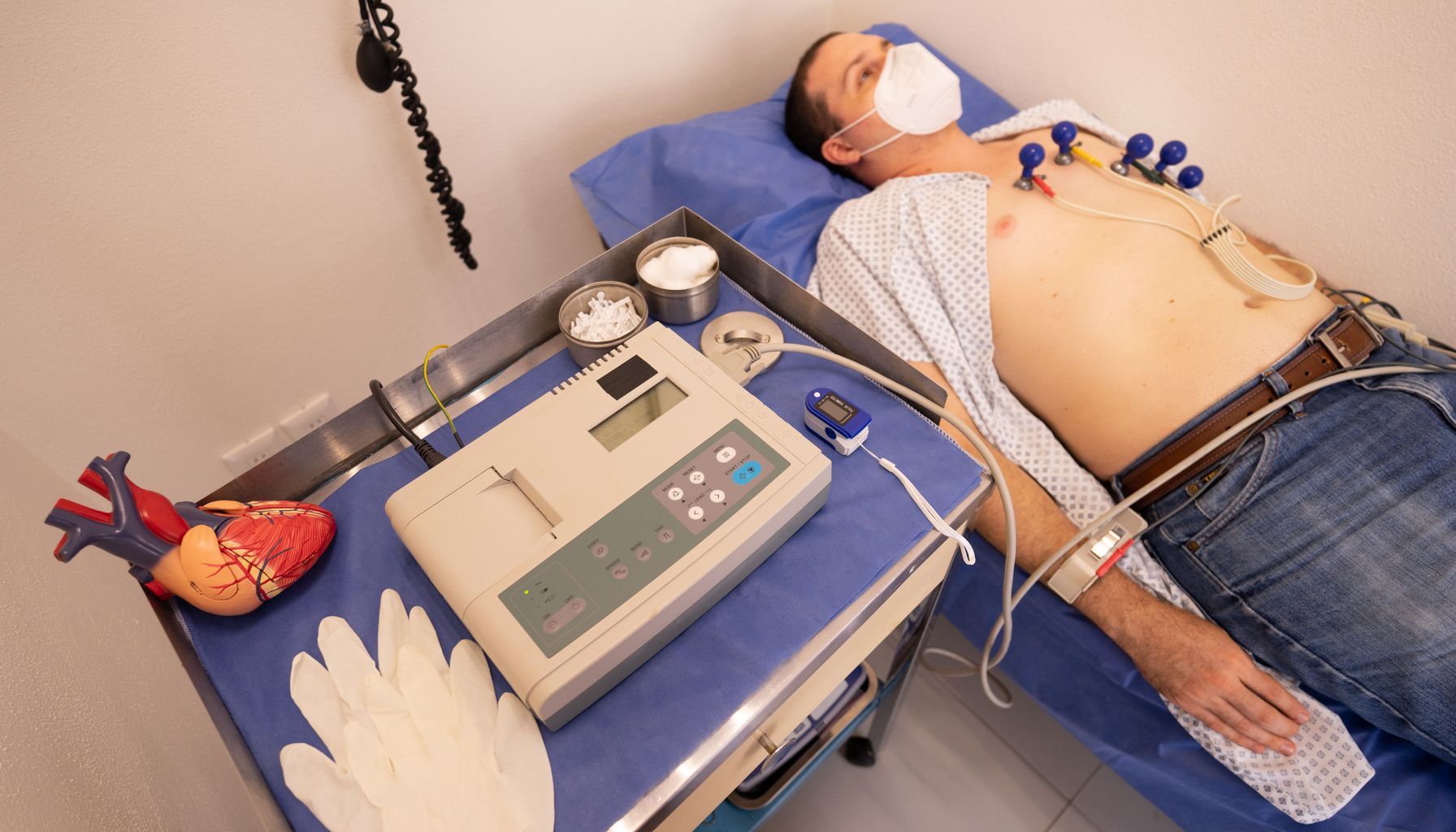
Five essential heart health rules: quit smoking, move every day, follow a Mediterranean diet with less salt, monitor vital signs, and ensure personalized prevention.
Summary of the 5 rules for heart health
- No smoking: quitting smoking is pointed out as the most fundamental measure to reduce the risk of cardiovascular diseases.
- Move daily: moderate physical activity every day helps control weight, blood pressure, and glucose.
- Mediterranean diet with less salt: a diet rich in vegetables, healthy fats, and with reduced salt protects the heart.
- Monitoring: regularly checking blood pressure, cholesterol, and glucose allows early detection of risks.
- Personalized prevention: individualized medical assessment for access to effective treatments when needed.
Why these measures matter now — cardiovascular prevention in focus
The five recommendations were highlighted by Hcf Fondazione Anmco per il Tuo Cuore Ets on World Heart Day, observed on September 29, according to ANSA. Cardiovascular diseases remain the leading cause of death and hospitalization in Italy and worldwide, making prevention a public health priority.
Furio Colivicchi, president of the foundation, stated that prevention is the most powerful weapon and that about 80% of cardiac events could be avoided by modifying the main risk factors, according to ANSA. He also stressed that there are highly effective medicines capable of eliminating risk factors such as LDL cholesterol and hypertension, and that prevention includes ensuring every person receives appropriate treatment.
Quit smoking: rule number one
Tobacco use accelerates atherosclerosis, raises blood pressure, and increases the risk of heart attack and stroke. Quitting smoking rapidly reduces cardiovascular risk: in the first months vascular function improves and, over time, the risk of events drops significantly. Cessation programs, medical support, and replacement therapies are recommended tools. The message is clear and universal: zero smoking saves lives.
Daily physical activity: simple and effective
The recommendation is to integrate movement into daily life — walking, climbing stairs, or moderate exercises — aiming for at least 150 minutes per week of moderate aerobic activity or 75 minutes of vigorous activity, spread across the days. Regular exercise helps control blood pressure, glucose, weight, and improves lipid profile. For readers outside Italy, these guidelines remain valid and adaptable to local lifestyles.
Mediterranean diet and less salt: the dish that protects the heart
The Mediterranean diet — rich in fruits, vegetables, fish, olive oil, with moderate red meat consumption — has robust evidence for cardiovascular protection. Reducing salt intake lowers blood pressure and risk of events. Practical small changes include cooking with less salt, avoiding ultra-processed foods, and using herbs and spices to flavor. These recommendations are easy to apply across different culinary cultures, including Brazilians and descendants of Italians.
Regular monitoring: blood pressure, cholesterol and glucose
Regularly measuring blood pressure, cholesterol (especially LDL), and glucose helps identify treatable risks before events occur. Colivicchi highlighted to ANSA that, beyond healthy habits, there are highly effective medications to control these factors. Medical follow-up ensures those in need receive statins, antihypertensives, or diabetes therapies according to clinical guidelines.
Personalized prevention: treating each person as unique
Prevention should be individualized: age, family history, presence of other diseases, and behavioral risk factors guide the clinical strategy. According to the foundation cited by ANSA, ensuring that every patient has access to appropriate diagnosis and treatment is central to effective prevention. This includes assessing overall cardiovascular risk and offering targeted interventions — from lifestyle changes to prescribed medications when indicated.
Relevance for Brazilians and Italian descendants
Cardiovascular prevention messages — quit smoking, physical activity, a balanced diet with less salt, and monitoring signs — are universal and applicable to Brazilians and Italian descendants as well. The emphasis on personalized prevention highlights the importance of regular medical consultations and health policies that facilitate diagnosis and treatment of risk factors. For those following news about Italy or citizenship processes, these health guidelines fit into a broader well-being and quality of life framework, connected to topics Raízes Italianas covers in /noticias and analyses about daily life in /vida-na-italia.
What to do in practice — five immediate actions
- Do a basic check-up: blood pressure, cholesterol, and glucose.
- Seek help to quit smoking if needed.
- Adopt daily physical activity, even in short sessions.
- Adjust your diet toward the Mediterranean pattern and reduce salt.
- Talk with your doctor about personalized prevention and medications when indicated.
Cardiovascular prevention combines population-level measures (such as guidance on diet and smoking) with individualized care and access to proven treatments. The message from Hcf Fondazione Anmco per il Tuo Cuore Ets, cited by ANSA, is that acting on risk factors can prevent the vast majority of heart events.
Source: ANSA