Fatigue and Frustration Shape Healthy Children, Says Alberto Pellai
Psychotherapist Alberto Pellai says fatigue and frustration educate better than digital skills or AI; Mondadori's new book proposes teaching how to endure effort.
Meta description: Psychotherapist Alberto Pellai says that fatigue and frustration educate better than digital skills or AI; Mondadori's new book proposes teaching how to endure effort.
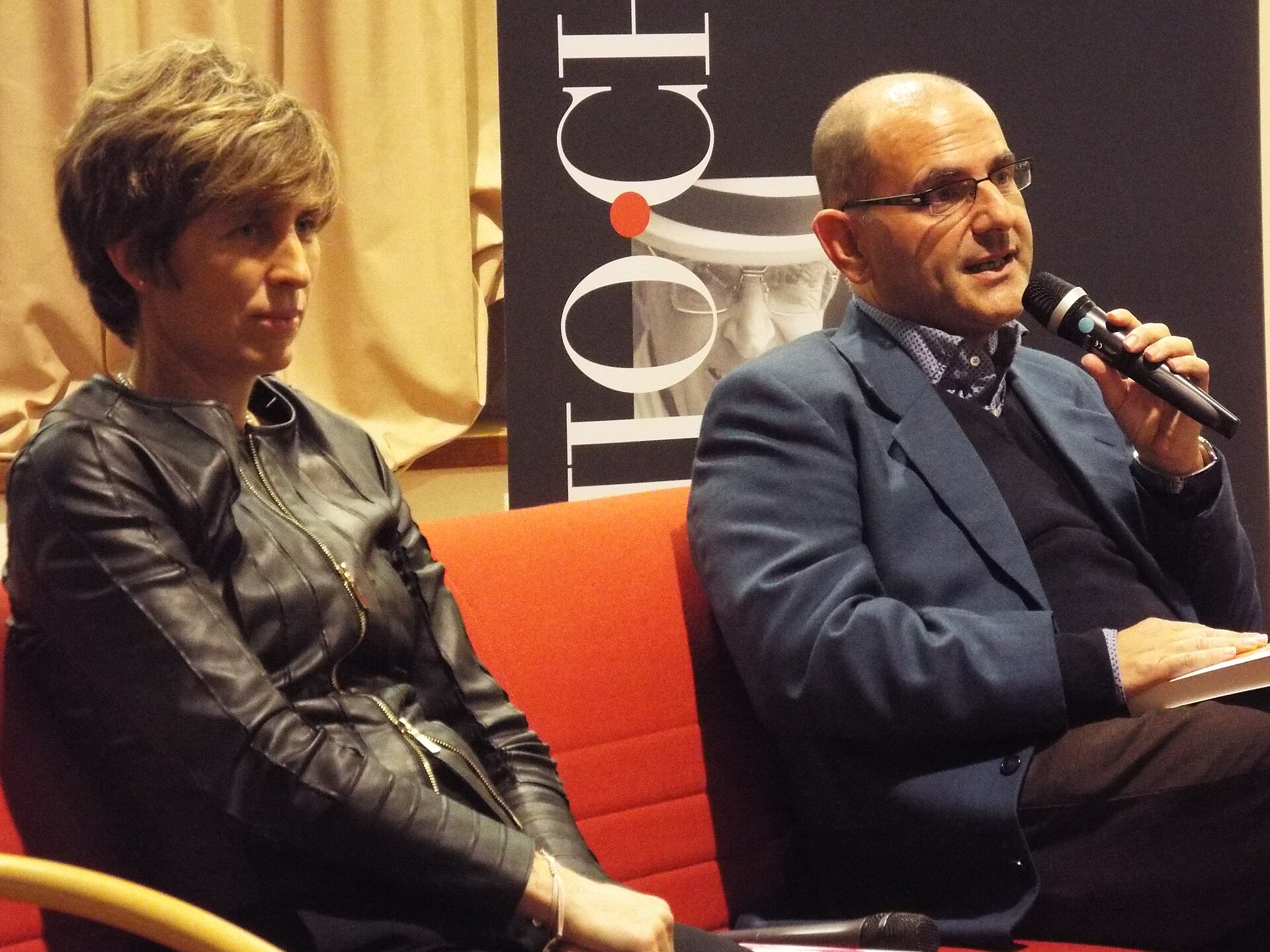
The Italian psychotherapist Alberto Pellai stated in an interview published by ANSA on October 19, 2026, written by Agnese Ferrara (Rome), that fatigue and frustration are fundamental tools for forming healthier children, contrasting with the current focus on digital skills and the promise of immediate solutions. Pellai argues that teaching how to cope with effort prepares children and adolescents for adult life.
Critique of current parenting practices — Alberto Pellai, fatigue in education
According to ANSA's report, Pellai criticizes parenting practices that have turned younger generations into passive consumers of content and services. He uses the expression ciuccio elettronico to describe devices and solutions that keep children calm but prevent them from learning to tolerate discomfort. For Pellai, generations Alpha and Z have often been shielded from essential frustrations for development, receiving many ready-made answers from adults.
The psychotherapist notes that this excessive protection yields youths with greater emotional fragility: anxiety, difficulty tolerating frustration, and an inability to face challenges without constant parental support. The critique encompasses both family behaviors and broader cultural trends that prioritize immediacy and digital competencies over emotional resilience.
Observed consequences — frustration and digital kids
Pellai notes concrete effects in teenagers' routines: many spend more time at home due to screens, participate less in group activities, sports, and travel, and have fewer opportunities to test boundaries. The consequence, he says, is a reduced capacity to face fatigue and the effort life requires.
He also describes how parents, driven by protection and comfort, tend to remove obstacles — they fix difficulties, offer rewards, and prevent the child from experiencing failure. Pellai warns that this immediate relief can have negative medium-term impacts by depriving children and youths of experiences needed to develop autonomy and confidence.
Cited work — Mondadori book and proposal to educate toward fatigue
Pellai is a best-selling author in Italy and has released the book "Ti farò correre in salite. Come e perché educare alla fatica le nuove generazioni", published by Mondadori, which proposes a methodology to teach the value of effort and resilience. According to ANSA, the book gathers theoretical reflections and practical suggestions so that parents and educators introduce tasks, limits, and age-appropriate challenges, promoting resilience.
The proposal does not reject technology but advocates for balance: using digital tools without replacing real experiences of effort and overcoming. Pellai suggests simple activities — sports, chores, gradual responsibilities — as means to cultivate the ability to deal with frustration.
Relevance for Brazilian readers and descendants of Italians
The debate on excessive parental protection and the impact of screens is relevant for Brazilian parents concerned with their children's emotional development. Raízes Italianas readers, especially descendants of Italians following Italian topics, may identify with the perspective of an Italian author reported by ANSA and applied to contemporary family contexts.
For those following news about education and life in another country, Pellai's reflections resonate with issues also seen in Brazil: how to balance technology use, set boundaries, and prepare youths for professional and personal challenges. See more on related topics in Notícias da Itália and in sections about Life in Italy.
What parents can consider in practice
- Introduce gradual tasks and responsibilities appropriate to age, allowing the child to feel the value of effort.
- Limit screen time and encourage group activities or sports that involve physical effort and socialization.
- Avoid solving all of your children's problems immediately; offer emotional support while maintaining realistic expectations.
- Seek information and cultural contexts to tailor proposals — for those following citizenship and life abroad topics, see also Cidadania Italiana to understand transnational family dynamics.
Conclusion The central message from Alberto Pellai, according to ANSA, is that fatigue and frustration are part of the education needed to raise resilient adults; his Mondadori work aims to offer practical paths for parents and educators to balance protection and exposure to effort.
Source: ANSA