
Autumn Equinox: Occurs on September 23 at 02:05
The autumn equinox occurs on September 23 at 02:05: the Sun crosses the celestial equator and the hemispheres receive roughly equal illumination, but day and night are not exactly equal.
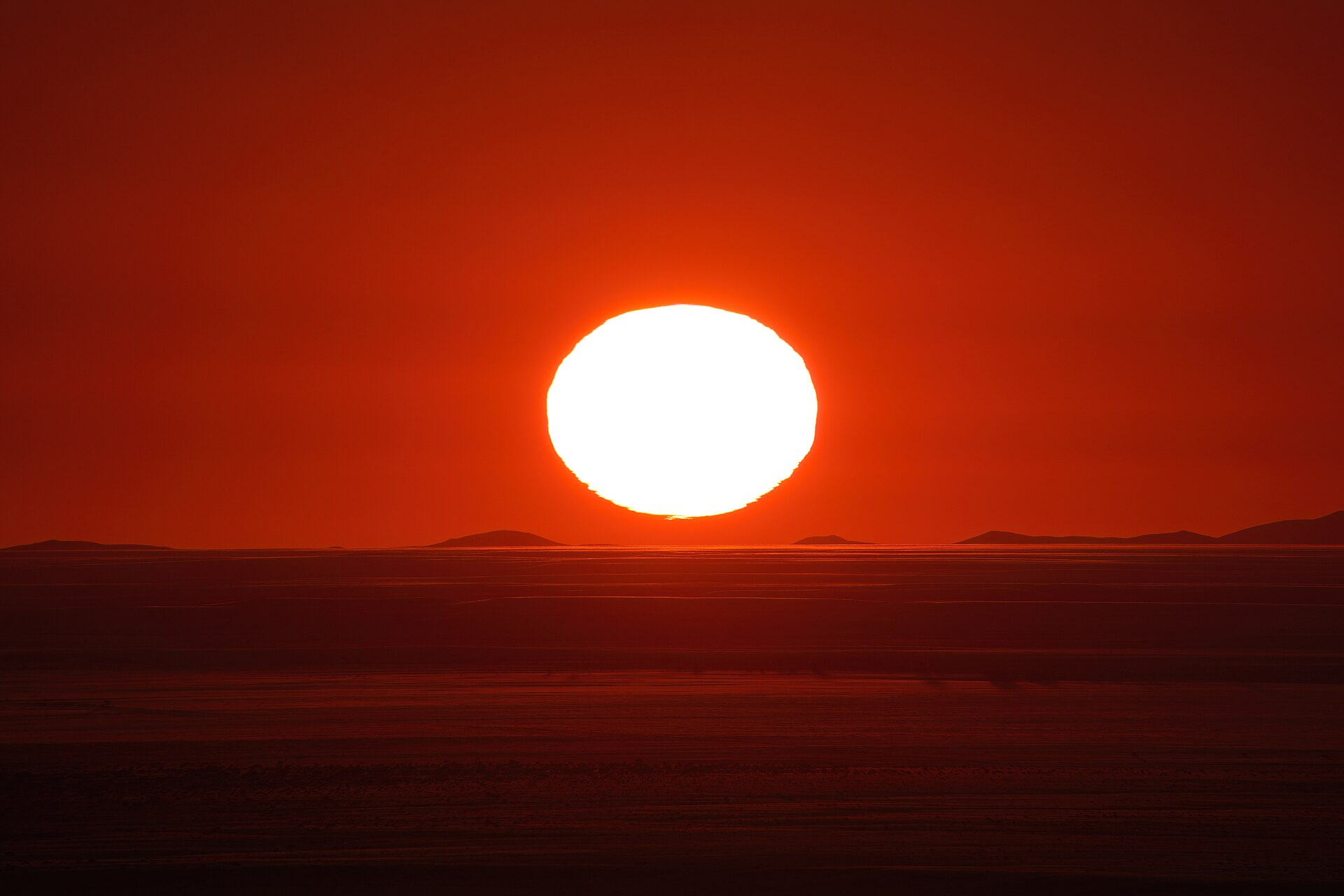
The autumn equinox occurs on September 23 at 02:05: it is the moment when the Sun crosses the celestial equator and the two hemispheres receive illumination virtually equally, although day and night do not match exactly in duration, according to ANSA.
What happens during the autumn equinox (equinox, autumn, September 23)
Event: September 23 at 02:05 — the Sun crosses the celestial equator.
On the autumn equinox, scheduled for September 23 at 02:05, the apparent center of the Sun passes through the plane of the celestial equator. This means that, geometrically, the incidence of solar rays on Earth is symmetric between the northern and southern hemispheres: both receive illumination roughly equally because of the relative position of the Sun and the Earth’s rotation axis. The Latin expression aequa nox (equal night) derives from this symmetry of illumination observed around this date.
The phenomenon marks the transition of seasons in the northern hemisphere — it ends summer and begins autumn — and is opposite to the vernal equinox in the southern hemisphere. For those who follow current events and astronomical happenings from Italy and around the world, news and explanations about equinox dates and times are often published by agencies like ANSA, which recorded the time of the event cited.

Why day and night are not exactly equal (Sun, day and night)
Although the equinox represents the geometric equality of illumination, day and night do not have the exact same duration for two main reasons:
- The Sun is a disc, not a point
- The sunrise and sunset are defined by the upper edge of the visible solar disc at the horizon, not by the geometric center of the Sun. This advances the start of the day (when the upper edge appears) and delays its end (when the upper edge disappears), extending the apparent light period relative to the purely geometric calculation.
- Atmospheric refraction
- The Earth’s atmosphere bends light rays: refraction makes the Sun visible to observers on the surface even when its geometric center is already below the horizon. This “borrowing” of visibility increases the length of daylight.
- The magnitude of refraction varies with atmospheric conditions (temperature, pressure), but is enough to shift the apparent position of the Sun several minutes from the geometric point.
These two effects combined cause the equality between day and night — in the strict sense of duration — to occur a few days before or after the equinox, depending on latitude, and never exactly at the moment the Sun crosses the celestial equator. In mid-latitudes, the date on which day and night are exactly 12 hours tends to differ slightly from the equinox day.
Practical note for those following astronomical events
- Those planning to photograph or observe sunrise or sunset should consider the solar edge and refraction: the apparent brightness may occur minutes before the “geometric” moment. For local information about dawn and dusk times, consult reliable ephemerides and meteorological services.
- In reports on astronomical events, as those appearing in science and culture sections, precise timing matters; ANSA recorded the equinox time to guide observers and media outlets.
Context and related readings
The equinox has astronomical, cultural, and practical meanings: beyond marking the change of season, it influences agriculture, social habits, and seasonal celebrations across traditions. For those following news about Italy or living in that country, seasonal events may appear in both science sections and culture/ everyday life topics. See also articles in Notícias da Itália and features about Vida na Itália.
Researchers exploring scientific or civic themes may also find interest in other portal content, such as citizenship guides (for those planning relocation or moving to another country): Cidadania Italiana.
Conclusion: the autumn equinox on September 23 at 02:05 marks the moment the Sun crosses the celestial equator and geometrically equalizes illumination between hemispheres. However, due to the solar disc and atmospheric refraction, exact equality between day and night does not occur precisely at this instant.
Source: ANSA